Skip to product information
1 of 5

therapyofflowers.com

Viola x wittrockiana Inspire® Plus Red Blotch | Spring or Autumn Pansy

Viola x wittrockiana Inspire® Plus Red Blotch | Spring or Autumn Pansy

Regular price €1,82 EUR
Regular price €2,80 EUR Sale price €1,82 EUR
Sale Sold out
Taxes included. Shipping calculated at checkout.
Package contains
Height
Flower color: Bold red

Viola x wittrockiana Inspire® Plus Red Blotch F1 | Pansy | Seeds

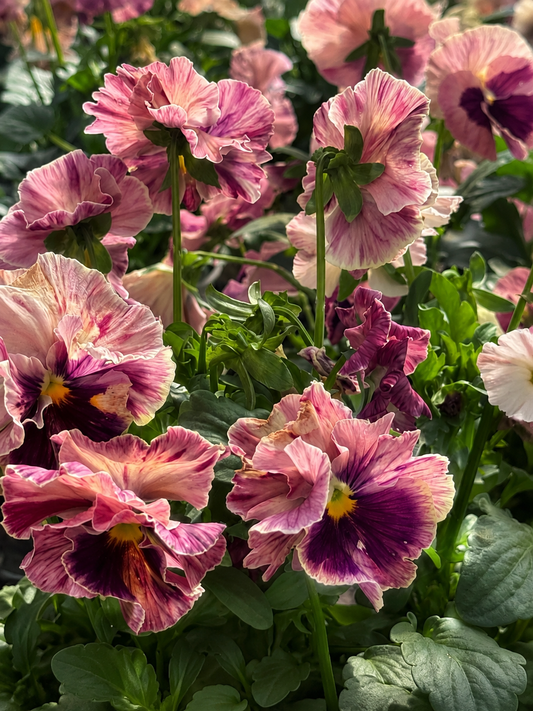
Pansy Inspire® Plus Red Blotch F1 produces large, rich red flowers with a contrasting dark central blotch. Its compact, well-branched plants and short flower stems create a neat display in flower beds, pots, window boxes and mixed containers.

Bred for spring and autumn displays, this variety brings strong colour to the cooler months. Plants grow approximately 15–20 cm tall and wide, making them suitable for edging paths, filling seasonal containers and planting in groups.

Plant Information

Botanical name: Viola x wittrockiana
Common name: Garden pansy
Series: Inspire® Plus
Variety: Red Blotch
Hybrid status: F1 hybrid
Family: Violaceae
Plant type: Short-lived perennial, usually grown as a seasonal annual or biennial
Flower type: Large, single flowers
Flower colour: Red with a dark central blotch
Height: Approximately 15–20 cm
Spread: Approximately 15–20 cm
Plant spacing: Approximately 15–20 cm
Time from Sowing to Flowering Display: Allow approximately 12–14 weeks for an autumn crop or 25–26 weeks for an overwintered spring crop; these are production guides rather than fixed first-flower dates
Position: Full sun; light partial shade in warmer conditions
Soil: Fertile, moist but well drained
Flowering: Spring or autumn, depending on sowing time; winter flowering depends on climate
Pinching: Not required
Uses: Flower beds, border edges, pots, window boxes and mixed containers

Rich Red Flowers on Compact Plants

Red Blotch combines bold red petals with the familiar dark pansy face. Plant it alone for a rich colour display or combine it with white, cream, yellow or blue flowers.

The Inspire® Plus series is selected for uniform growth and short flower stems. Good light and cool growing conditions help maintain its naturally compact habit.

Sowing & Germination

Sowing method: Start in trays or individual plug cells
Seeds per cell: One
Seed covering: A thin layer of vermiculite
Germination temperature: Approximately 18–20°C
Initial root emergence: Can begin in 2–4 days under controlled conditions; visible seedlings follow
After germination: Gradually reduce to approximately 17–18°C

Sow into a fine, moist, well-drained seed-starting mix. Cover lightly with vermiculite to help maintain moisture around the seeds.

Keep the substrate evenly moist during germination. Avoid standing water and do not allow the seeds to dry out.

Light is not essential for germination. Once seedlings emerge, provide bright light and good ventilation. Avoid hot, enclosed propagators and strong direct sun that could overheat the trays.

Transplant when seedlings have several true leaves and a well-developed root system. Do not leave them crowded in small cells.

When to Sow

For autumn flowers: Sow in early to midsummer, allowing approximately 12–14 weeks before the desired display. Keep germinating seeds cool during hot weather.

For spring flowers: Sow in late summer or autumn and grow the plants on through winter in suitable conditions. Cold frames or an unheated greenhouse can help protect young plants from severe weather.

Inspire® Plus is day-length neutral, so flowering does not require a particular daylength. However, temperature and available light still affect growth and flowering speed.

Growing Conditions & Care

Choose a sunny position with fertile, well-drained soil. In warmer locations, light afternoon shade can help protect plants from excessive heat.

Water regularly, especially in containers, keeping the compost moist without waterlogging. Feed established plants moderately with a balanced fertiliser, following the product instructions.

Pinching is not necessary. Remove faded flowers and developing seed capsules to keep plants tidy and encourage further flowering.

Harden off young plants before planting outdoors. Established pansies tolerate cool weather and light frosts, but prolonged freezing can interrupt flowering. Autumn-to-spring flowering is most reliable in mild climates; colder regions usually have a winter pause.

View full details