Verbena rigida Polaris® Pearl | Verbena rigida
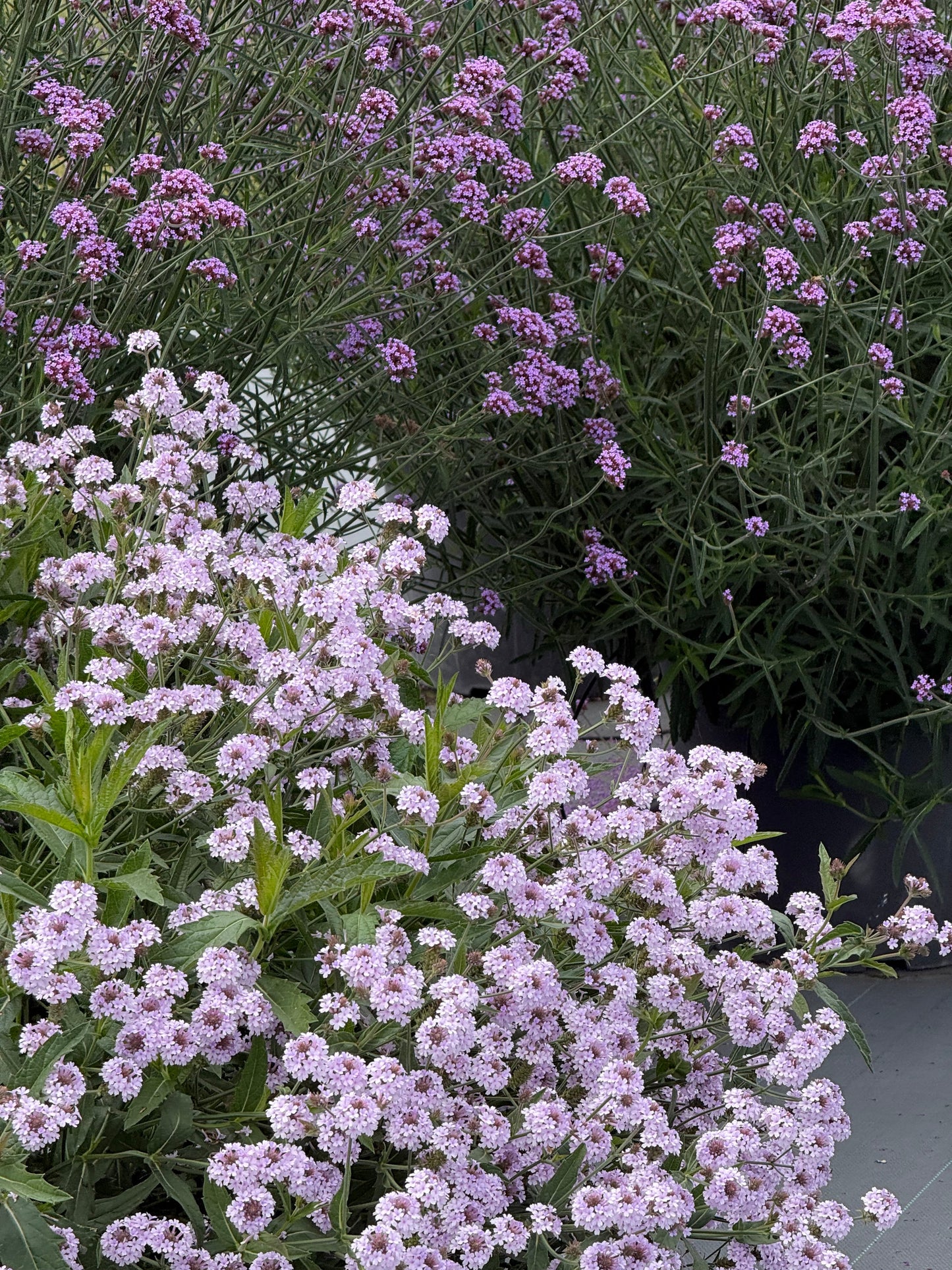
Verbena rigida Polaris® Pearl is an elegant and exceptionally floriferous verbena with delicate pearl-white flowers, a naturally spreading habit and a long flowering season.
Polaris® Pearl creates a soft, airy effect in the garden while remaining strong enough to form attractive masses of flowers. Growing approximately 50 cm tall and 35 cm wide, it is ideal for flower borders, mixed containers, naturalistic planting and ground cover.
The long-lasting flowers are fragrant and highly attractive to beneficial insects, making this variety particularly valuable for pollinator-friendly and naturalistic gardens.
In suitable climates Verbena rigida can be grown as a perennial, while in colder regions it is often treated as a flowering annual.
Plant Information
-
Botanical name: Verbena rigida
-
Series: Polaris®
-
Variety: Pearl
-
Plant type: Tender perennial / often grown as an annual
-
Flower colour: Pale lilac
-
Flowering: June – late October
-
Height: Approx. 50 cm
-
Width: Approx. 35 cm
-
Habit: Bushy, spreading and floriferous
-
Position: Sun – partial shade
-
Crop time: Approx. 12–14 weeks, 84–98 days
-
Hardiness zone: 7a–11
-
Seed form: ApeX
-
Use: Borders, containers, landscape planting and ground cover
Why Grow Polaris® Pearl?
Elegant pearl-white flowers • Long flowering season • Fragrant flowers • Excellent for pollinators • Approx. 50 cm tall • Spreading growth • Perfect for borders • Excellent ground cover • Beautiful in containers • Suitable for naturalistic gardens
Elegant Pearl-White Flowers
Polaris® Pearl stands out for its delicate light-coloured flowers, creating a completely different effect from the traditional purple shades associated with many verbenas.
The soft pearl-white colour makes it particularly easy to combine with other plants.
It looks beautiful alongside:
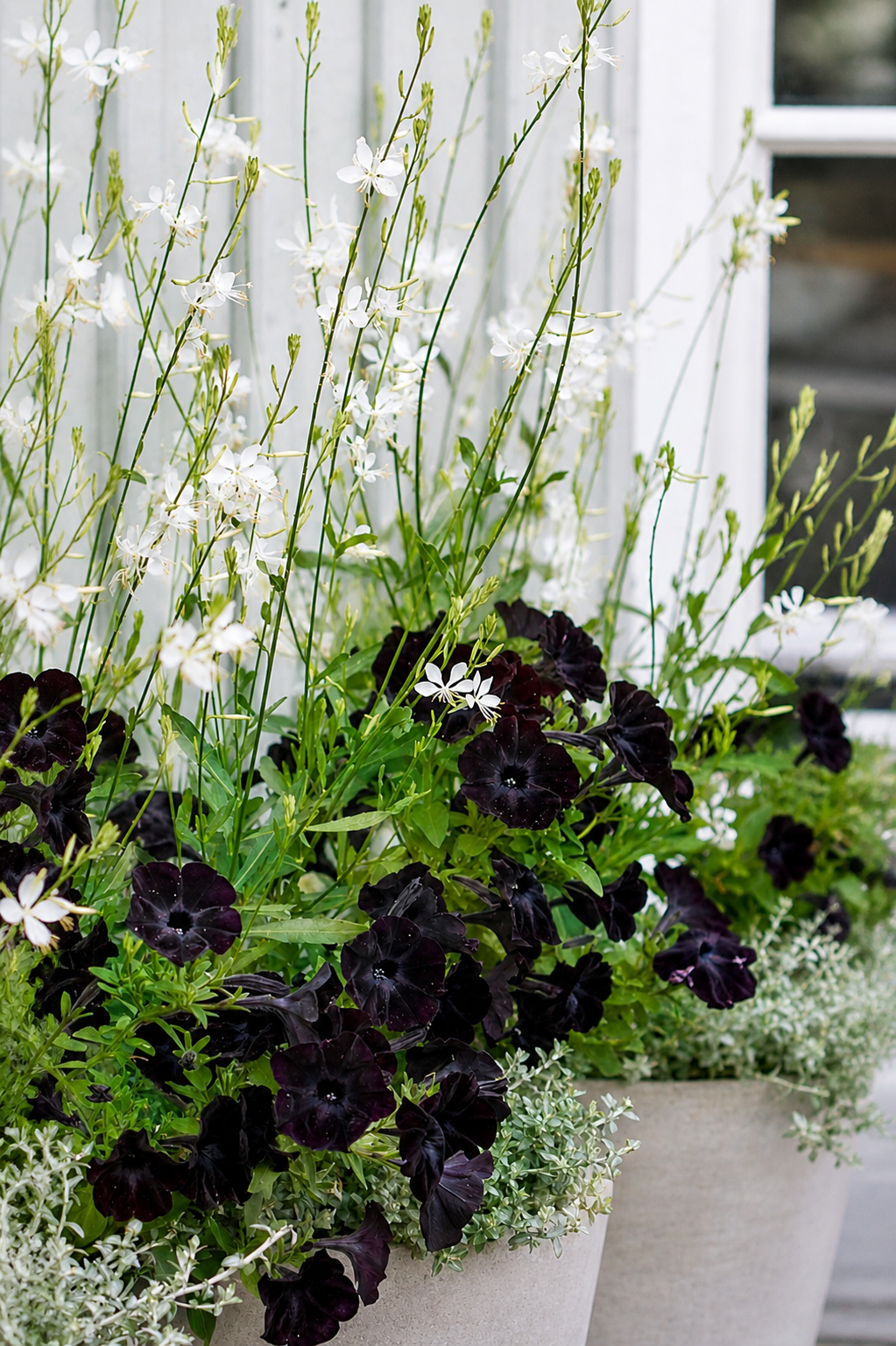
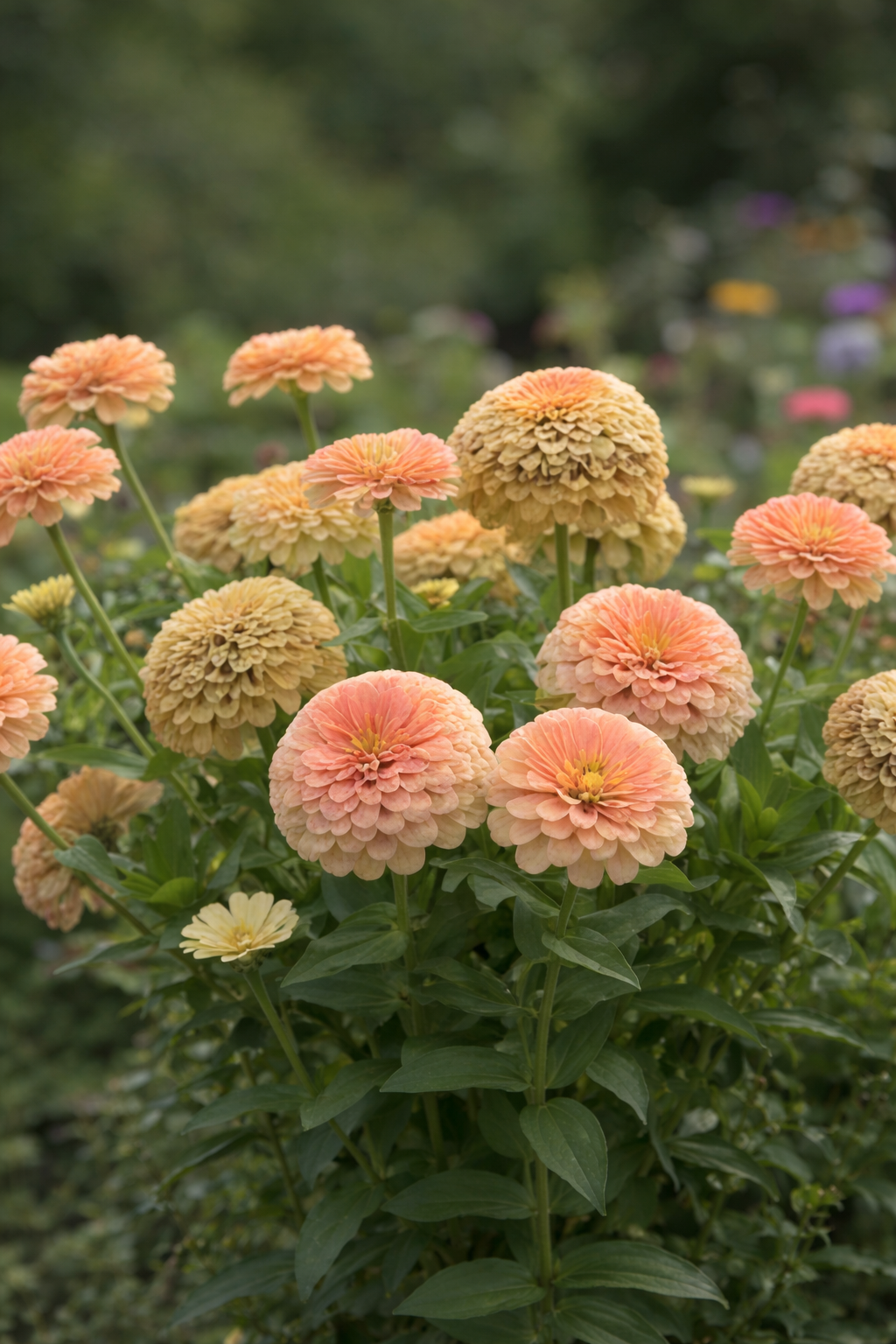
Ornamental grasses • Cosmos • Echinacea • Salvia • Zinnia • Dahlias • Gaura • Lavender
Its light colouring is especially useful for soft pastel gardens, white gardens and naturalistic planting schemes.
Long-Lasting and Fragrant Flowers
One of the highlights of Polaris® Pearl is its long-lasting, fragrant flowering.
Under suitable conditions, plants can flower from approximately June until late October, providing colour over a remarkably long period.
Warm temperatures, plenty of light and long summer days encourage earlier and more abundant flowering.
Excellent for Pollinators
The flowers attract bees, butterflies and other beneficial insects, making Polaris® Pearl a beautiful choice for pollinator-friendly gardens.
Its long flowering period also provides a valuable source of flowers throughout much of the summer and into autumn.
Excellent Ground Cover
Unlike tall, airy Verbena bonariensis, Verbena rigida has a lower, denser and more spreading growth habit.
This makes Polaris® Pearl particularly useful for planting through borders and as a flowering ground cover.
At approximately 50 cm tall, it creates colourful masses without becoming excessively tall.
Perfect for Containers
Polaris® Pearl also performs beautifully in large pots and mixed containers.
Its spreading growth softens the edges of containers, while the pearl-white flowers combine easily with almost any colour scheme.
It can be planted alone or incorporated into mixed summer arrangements.
Sowing Guide
When to Sow
For summer flowering, sow indoors in late winter or spring.
Under suitable conditions, the crop time is approximately 12–14 weeks.
Direct sowing is also possible once outdoor conditions are sufficiently warm.
How to Sow
Use a fine, clean and well-drained seed-starting compost.
Moisten the substrate before sowing.
Sow approximately:
3–4 seeds per plug or cell.
Cover the seeds lightly with vermiculite.
Unlike some other verbena species, Polaris® Pearl does not require light for germination.
Germination
Maintain a temperature of approximately:
20–22°C
during germination.
The first seedlings can be expected after approximately 14 days under suitable conditions.
Keep the substrate evenly moist during this initial period and do not allow it to dry out.
After Germination
Once seedlings have emerged, gradually reduce the temperature to around 18–20°C during the day.
Provide plenty of light to encourage strong and uniform seedlings.
Gradually improve ventilation and allow the substrate to become slightly less wet between waterings.
Watering
Once established, Verbena rigida prefers to grow slightly on the dry side.
Water thoroughly and then allow the substrate to dry moderately before watering again.
Avoid both extremes:
Do not keep plants constantly waterlogged • Do not allow them to dry out completely
Good drainage is particularly important.
Transplanting
When seedlings have developed several true leaves and a healthy root system, transplant them carefully into individual pots or larger containers.
Use a fertile, loose and well-drained substrate.
Pinching young plants can encourage additional branching, although it may slightly delay flowering.
Planting Outside
Move plants outdoors after all danger of frost has passed.
Young plants should be gradually acclimatised to outdoor conditions before permanent planting.
Choose a position in full sun or partial shade.
For the most abundant flowering, a sunny location is recommended.
Light and Flowering
Polaris® Pearl responds particularly well to high light levels and long summer days.
Days longer than approximately 14 hours encourage faster flower initiation and abundant flowering.
In the garden, simply provide the plant with a bright, preferably sunny position.
Soil
Verbena rigida prefers well-drained soil.
Avoid heavy soil that remains wet for long periods.
Once established, plants tolerate moderately dry conditions well and are particularly suitable for sunny mixed borders and naturalistic plantings.
Feeding
Container-grown plants benefit from regular feeding with a balanced fertiliser for flowering plants.
Plants growing in fertile garden soil generally require less frequent feeding.
Avoid excessive nitrogen, which can encourage leafy growth at the expense of flowering.
Good Air Circulation
Provide sufficient space between plants to ensure good air circulation.
Prolonged high humidity can encourage powdery mildew, so avoid overcrowding and constantly wet foliage.
Perennial or Annual?
Verbena rigida is a perennial species in sufficiently mild climates and is listed for approximately hardiness zones 7a–11.
However, it does not tolerate severe frost.
In colder climates it can easily be grown as a beautiful summer annual, flowering abundantly from summer into autumn.
Polaris® Pearl vs. Verbena bonariensis
These two verbenas create quite different effects in the garden.
Verbena bonariensis is generally taller and more open, producing flowers on long, airy stems.
Verbena rigida Polaris® Pearl remains lower, denser and more spreading, making it better suited to ground cover, the front and middle of borders and container planting.
Polaris® Pearl is therefore an excellent choice when you want the long flowering and natural beauty of verbena without the tall growth associated with Verbena bonariensis.
Why Choose Verbena rigida Polaris® Pearl?
Pearl-white flowers • Fragrant blooms • Long flowering season • Attracts beneficial insects • Compact spreading habit • Approx. 50 cm tall • Excellent ground cover • Beautiful in containers • Perfect for naturalistic planting
Perfect For
Flower Borders • Ground Cover • Large Pots • Mixed Containers • Naturalistic Gardens • Pollinator Gardens • Prairie-Style Plantings • Landscape Planting
Verbena rigida Polaris® Pearl is an excellent choice for gardeners looking for a long-flowering, elegant and versatile verbena with delicate pearl-white flowers. Its spreading habit, fragrance and ability to attract beneficial insects make it particularly beautiful in naturalistic gardens, borders and mixed containers.