Skip to product information
1 of 9

therapyofflowers.com

Matthiola incana Katz Apricot | Stock

Matthiola incana Katz Apricot | Stock

Regular price €2,90 EUR
Regular price Sale price €2,90 EUR
Sale Sold out
Taxes included. Shipping calculated at checkout.
Package contains
Height

Matthiola incana Katz Apricot | Stock

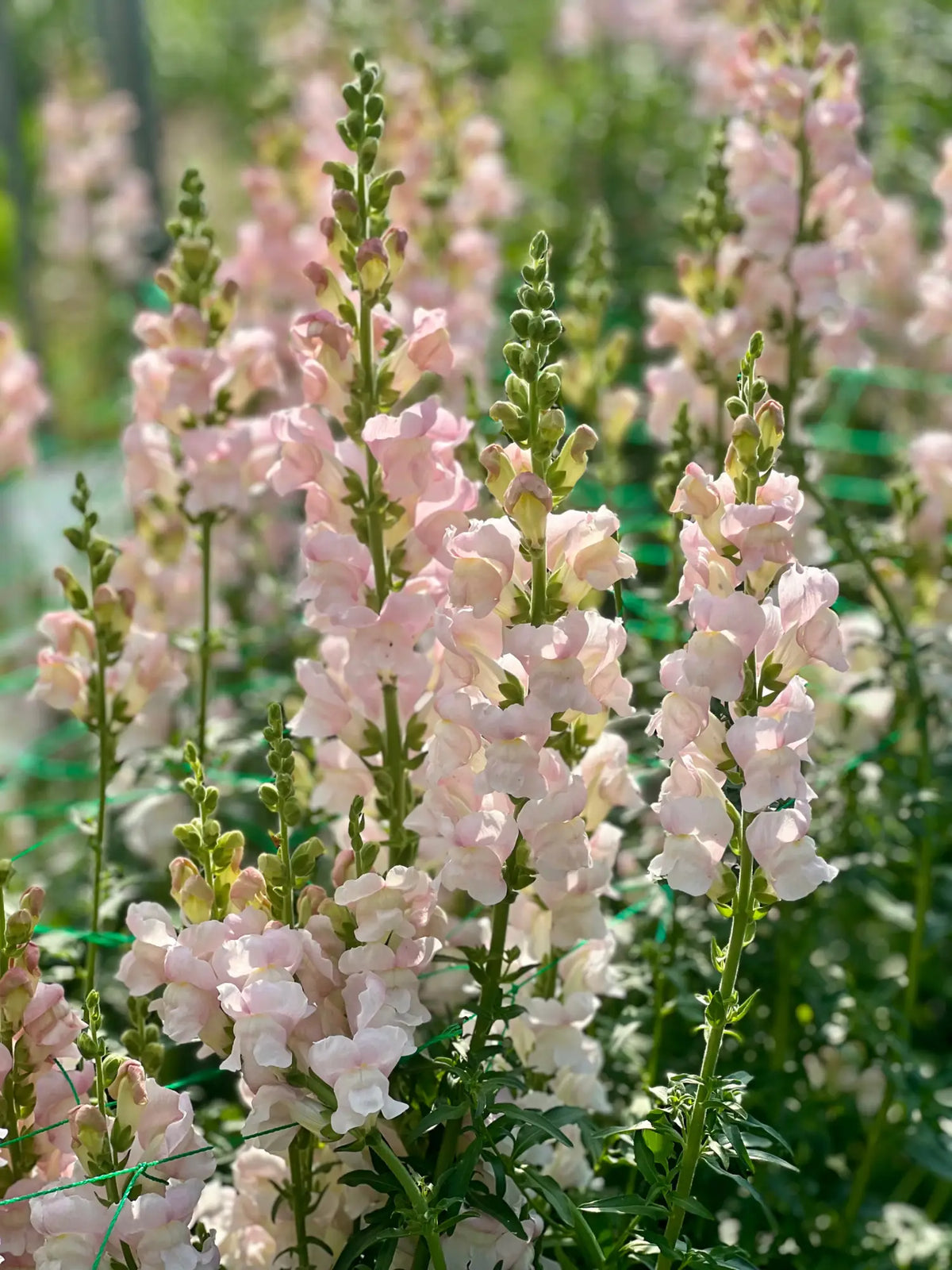
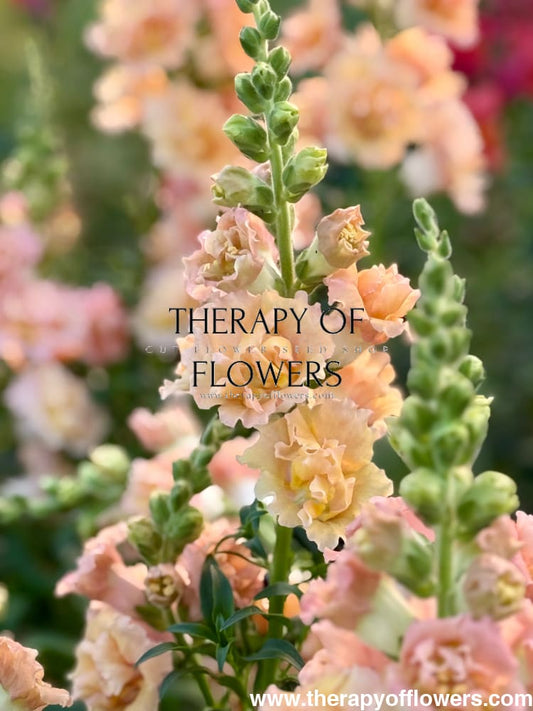
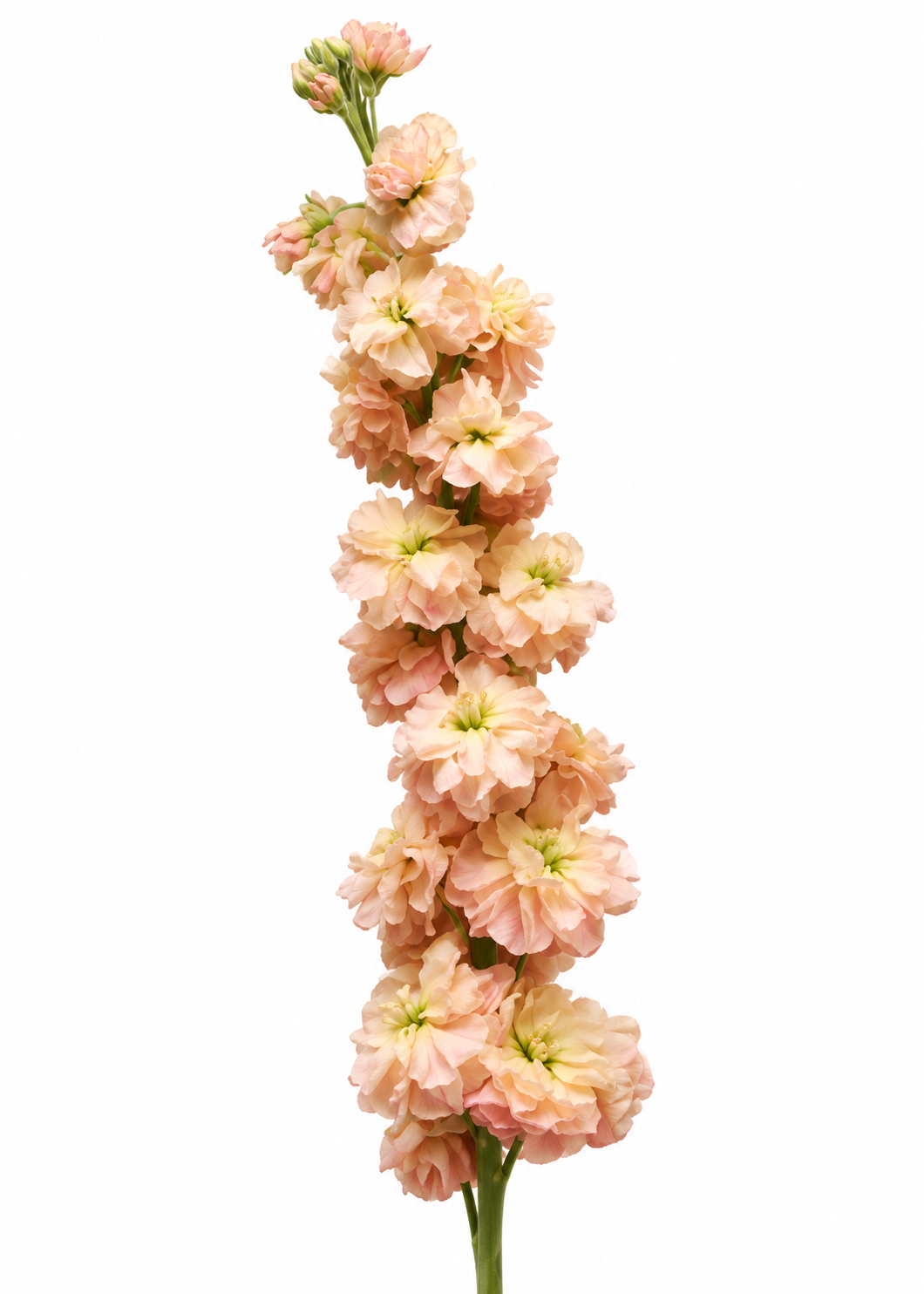
Katz Apricot is a fragrant stock grown for cutting, producing long, strong stems topped with soft apricot to light peach blooms. Its warm pastel colour is especially beautiful in bouquets and combines easily with cream, blush pink, salmon, pale yellow and other soft seasonal shades.

Katz is an early-flowering cut-flower stock series valued for its uniform flowering time, consistent stem length and better heat tolerance than traditional field types.

Each plant produces one main flowering stem, so Katz stock should not be pinched.

Plant Information

  • Scientific name: Matthiola incana
  • Common name: Stock
  • Variety: Katz Apricot
  • Flower colour: Light apricot / peach
  • Flower size: Approximately 4–5 cm
  • Life cycle: Annual
  • Plant habit: Upright
  • Height: Approximately 80 cm
  • Days to maturity: Approximately 90–100 days
  • Blooming season: Spring and Autumn
  • Exposure: Sun
  • Best for: High tunnel and field production
  • Use: Fragrant cut flower
  • Vase life: Approximately 5–10 days
  • Double-flowering plants: Approximately 50–60% without selection
  • Hybrid status: Open pollinated

How to Grow Katz Apricot Stock from Seed

Katz Apricot is best started as transplants. Stock tolerates transplanting well, and growing individual seedlings also makes it possible to select plants that are more likely to produce double flowers.

Sow the seeds on the surface of a fine, moist seed-starting substrate. Light is required for germination, so do not cover the seeds with a thick layer of soil – cover only lightly with vermiculite.

Maintain approximately 18–24°C during germination. Seeds usually germinate within 7–14 days.

Allow approximately 4–6 weeks for young plants to develop before transplanting.

Stock is a cool-weather plant and belongs to the Brassicaceae family. Established plants can tolerate light frosts of approximately –1 to –2°C. Because stock belongs to the Brassicaceae family, watch for the same pests that can affect other plants in this family.

Planting and Growing

Choose a sunny position with well-drained, moderately rich soil.

For garden or small-scale cut-flower growing, space plants approximately 10–15 cm apart. For professional cut-flower production, Katz can be grown at a density of approximately 126 plants per m².

Katz develops long, upright flower stems. When grown for cutting, horizontal support netting may be beneficial, particularly in rainy conditions or during warmer growing periods.

Important: Do not pinch Katz stock. Each plant produces one main flowering stem. Removing the growing tip will stop the development of this main flower stem.

For a longer harvesting period, make successive sowings approximately every 2 weeks.

Single and Double Flowers

Katz Apricot naturally produces both single and double flowers. Without special seedling selection, approximately 50–60% of plants will produce double flowers.

If you would like to increase the proportion of double-flowering plants, selection can be carried out at the cotyledon stage. Keep the seedlings at 4–7°C for 3–4 days. Select lighter green seedlings with more oval-shaped cotyledons, as these are more likely to produce double flowers. Darker green seedlings with rounder cotyledons are more likely to produce single flowers.

Selection is optional – Katz Apricot can also be successfully grown without it.

When to Harvest

Cut the stems when approximately ⅓–½ of the florets on the stem are open.

Place the stems into clean water immediately after cutting. Under good conditions, Katz Apricot has an approximate vase life of 5–10 days.

Why Grow Katz Apricot?

Katz Apricot combines soft apricot-peach colour, the characteristic fragrance of stock and long flower stems.

The Katz series is valued for its uniform flowering time and stem length, relatively short crop time and improved heat tolerance compared with traditional field types.

It is particularly well suited to spring and autumn cut-flower production, while in suitable climates the growing season can be extended.

View full details