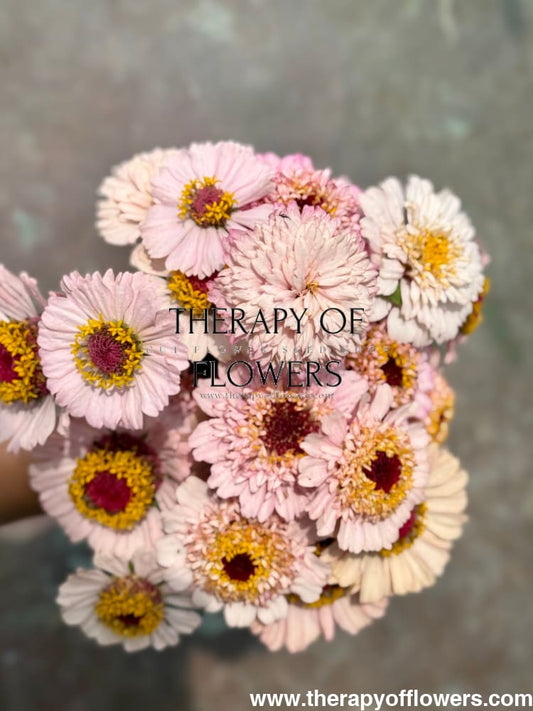
Begonia Nonstop® Rose Picotee F1 | Begonia tuberhybrida
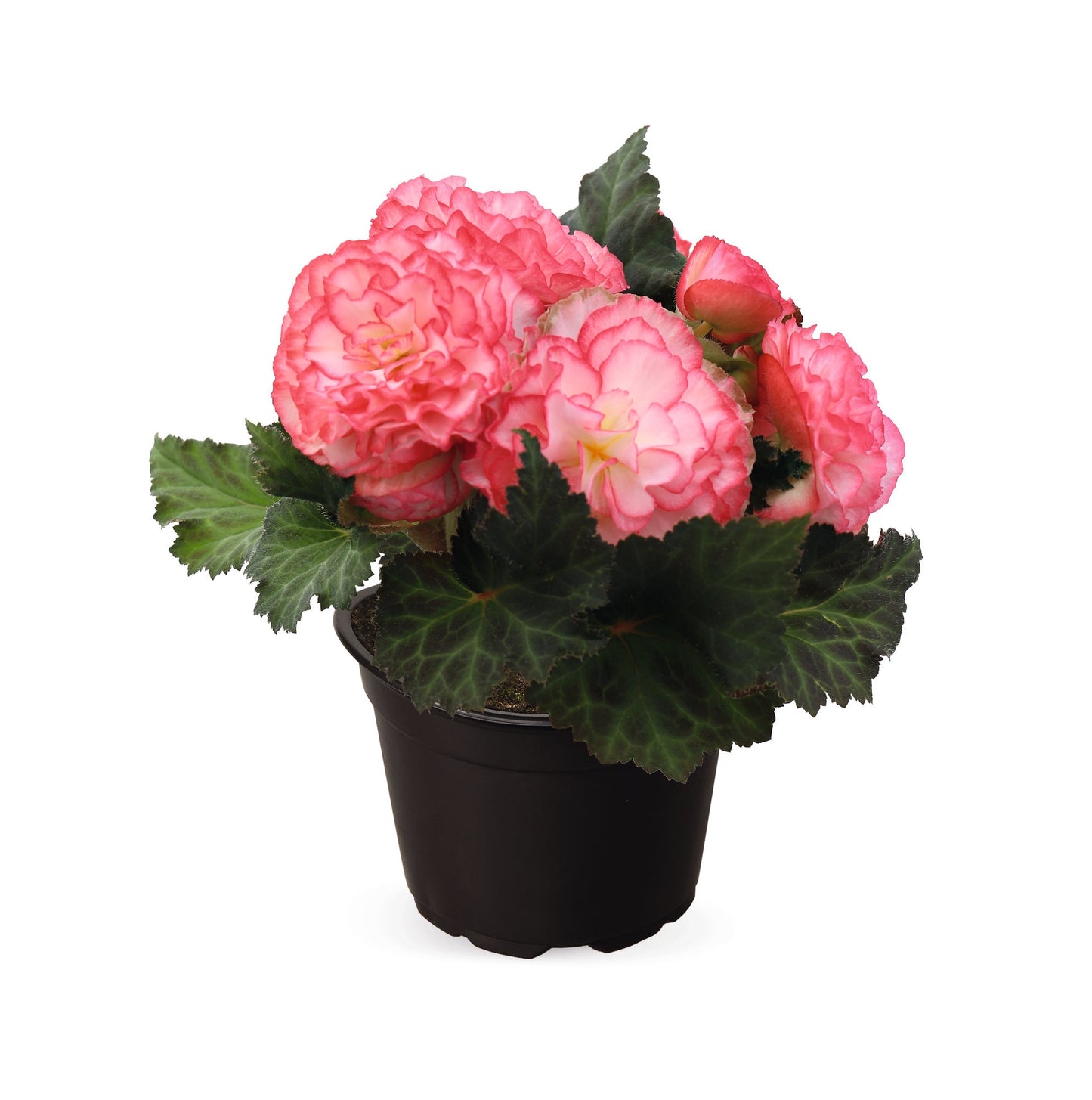
Begonia Nonstop® Rose Picotee F1 is an outstanding tuberous begonia with large, fully double flowers in beautiful rose-pink tones with contrasting pale to white edges.
The Nonstop® series is known for its compact, well-branched plants, uniform growth and abundant flowering. The impressive flowers can reach up to 10 cm in diameter, creating a spectacular display from summer well into autumn.
Growing approximately 25 cm tall and 23 cm wide, Rose Picotee is particularly well suited to pots, window boxes, mixed containers, hanging baskets and shaded or partially shaded garden beds.
It is an excellent choice for gardeners who want abundant colour in places where many sun-loving summer flowers struggle.
Plant Information
-
Botanical name: Begonia tuberhybrida
-
Series: Nonstop® F1
-
Variety: Rose Picotee
-
Plant type: Tuberous begonia
-
Height: Approx. 25 cm
-
Width: Approx. 23 cm
-
Flower size: Up to 10 cm
-
Flower type: Large, fully double
-
Flower colour: Rose-pink with pale to white edging
-
Position: Partial shade – shade
-
Crop time: Approx. 15–18 weeks
-
Seed form: Pelleted seed
-
Use: Pots, hanging baskets, window boxes, mixed containers and garden beds
Why Grow Nonstop® Rose Picotee?
Large double flowers • Beautiful two-tone colouring • Flowers up to 10 cm • Compact plants • Excellent branching • Abundant flowering • Perfect for pots and containers • Excellent for partial shade • Long flowering season
Large Double Picotee Flowers
The main attraction of Rose Picotee is its spectacular large, fully double flowers.
Each flower can reach approximately 10 cm across and combines rich rose-pink colouring with lighter, often almost white edges.
The contrast gives the flowers their distinctive picotee appearance and makes this variety particularly eye-catching in containers and garden displays.
Perfect for Pots and Containers
With its compact size and naturally branching habit, Nonstop® Rose Picotee is particularly suitable for container growing.
It looks beautiful in:
Pots • Window boxes • Hanging baskets • Mixed containers • Patio planters • Shaded flower beds
The plants branch well from an early stage, creating a full, balanced shape with numerous flowers rather than only a few flowering stems.
Sowing Guide – Easy Step by Step
Begonia seeds are extremely small, which is why this variety is supplied as pelleted seed. The coating makes individual seeds much easier to handle and sow.
1. When to Sow
For summer flowering, sow indoors during winter to early spring.
Begonias develop relatively slowly from seed, so early sowing gives the plants plenty of time to become strong and flower abundantly during summer.
From sowing to a finished flowering plant, allow approximately 15–18 weeks under suitable growing conditions.
2. Prepare the Seed Tray
Use a fine, clean and well-drained seed-starting compost.
Fill small pots, plug trays or seed trays and gently level the surface.
Moisten the compost before sowing.
3. Sow on the Surface
Place 1 pellet per cell on the surface of the moist compost.
Do not cover the seed with soil.
Begonia seeds require light for successful germination, so they should remain on the surface.
Gently press the pellet into contact with the moist compost without burying it.
4. Keep Warm and Humid
Begonia seeds need warm and consistently humid conditions during germination.
Ideal germination temperature: 22–23°C
Roots normally begin to emerge in approximately 7–10 days, although development of visible seedlings takes longer.
A transparent propagator lid or similar cover can help maintain high humidity.
During this first stage, do not allow the compost surface to dry out.
5. Provide Light
Light is important for germination.
Place the tray in a bright location without harsh direct sunlight.
If growing under artificial lights, a long day of approximately 14–16 hours encourages good germination and healthy seedling development.
Avoid very strong direct sunlight inside a covered propagator, as temperatures can rise quickly.
6. Water Very Carefully
Young begonia seedlings are tiny and delicate.
Water using a fine mist or very gentle watering method. Strong streams of water can easily dislodge newly germinated seedlings.
During germination, keep the substrate consistently moist.
Once seedlings are established, gradually begin allowing the surface to become slightly less wet between waterings, but never allow the young plants to dry out completely.
7. After Germination
Once germination is underway, gradually improve ventilation and reduce excessive humidity.
After the first stage, temperatures can be reduced to approximately 20–21°C.
As the seedlings become stronger, around 18–20°C is suitable for continued growth.
Provide plenty of light to encourage compact, sturdy plants.
8. Transplanting
When seedlings are large enough to handle and have developed several true leaves, transplant them carefully into individual pots.
Begonia roots are delicate, so handle young plants gently.
Use a fertile but well-drained growing substrate.
Do not plant the seedlings excessively deep.
9. Growing On
Keep young plants in a bright location at approximately 18–20°C.
Begonias prefer consistently moderate moisture. Water thoroughly, then allow the substrate to become slightly less wet before watering again.
Avoid both extremes:
Do not keep the roots permanently saturated • Do not allow the plants to dry out completely
Good air circulation is also important.
Planting Outside
Move plants outdoors only after the danger of frost has passed.
Before planting permanently outside, gradually acclimatise young plants to outdoor conditions over several days.
Choose a position in partial shade or bright shade.
Nonstop® begonias are particularly useful for areas receiving morning or filtered sunlight but protected from intense midday and afternoon sun.
Light and Position
Rose Picotee performs beautifully in partial shade.
Avoid exposing plants to intense midday sunlight, especially during hot summer weather, as excessive light and heat can damage the foliage.
A bright location with filtered light generally provides an excellent balance between healthy growth and abundant flowering.
Watering
Begonias appreciate regular moisture but do not like waterlogged soil.
Water when the upper layer of the substrate begins to dry slightly.
Container-grown plants may require frequent watering during warm weather, but always make sure excess water can drain freely from the pot.
Try to water directly onto the substrate rather than repeatedly soaking the flowers and foliage.
Feeding
Once plants are actively growing, feed regularly with a balanced flowering-plant fertiliser at a moderate rate.
Begonias are sensitive to excessive fertiliser salts, so avoid very strong feeding.
A regular but moderate feeding programme generally produces better results than occasional heavy fertilisation.
Soil
Use a fertile, loose and well-drained substrate that retains some moisture without becoming waterlogged.
Begonias perform particularly well in high-quality container compost.
Good drainage is essential because constantly saturated roots can lead to poor growth and root problems.
Long and Abundant Flowering
Nonstop® begonias are selected for their excellent branching and abundant flower production.
Once flowering begins, plants continue producing impressive blooms throughout the summer under suitable conditions.
Remove damaged or faded flowers when necessary to keep the plants looking clean and attractive.
Growing in Hanging Baskets
Although ‘Rose Picotee’ has a compact habit rather than a strongly trailing one, it can also be grown successfully in hanging baskets and elevated containers.
Its large double flowers are particularly effective when displayed closer to eye level.
For hanging baskets, make sure the container has excellent drainage and monitor moisture regularly because baskets can dry more quickly than larger ground-level pots.
Important – Not Frost Hardy
Tuberous begonias are frost sensitive.
Do not plant them outdoors while frost is still possible.
In colder climates they are generally grown as seasonal summer plants. Mature plants can develop tubers, which may be stored frost-free over winter if desired.
Beginner Tips for Success
The most important points when growing Nonstop® begonias from seed are simple:
-
Do not cover the seeds – they need light to germinate.
- Keep them warm at around 22–23°C during germination.
- Keep the substrate consistently moist at first.
- Never wash tiny seedlings away with strong watering.
- Give seedlings plenty of light after germination.
- Avoid both waterlogging and complete drying.
- Plant outside only after all danger of frost has passed.
- Grow in partial shade or bright filtered light.
Why Choose Nonstop® Rose Picotee F1?
Spectacular fully double flowers • Rose-pink and white picotee colouring • Flowers up to 10 cm • Compact and well-branched plants • Uniform growth • Abundant flowering • Excellent container variety • Perfect for partial shade • Beautiful for patios and balconies
Perfect For
Pots • Window Boxes • Hanging Baskets • Mixed Containers • Patio Planters • Shaded Flower Beds • Balcony Gardens • Summer Displays
Begonia Nonstop® Rose Picotee F1 (Begonia tuberhybrida) is an excellent choice for gardeners looking for a compact, exceptionally floriferous begonia with large double rose-pink and white flowers. With the right warmth, moisture and light during germination, it can be successfully grown from seed even by home gardeners.