Agastache cana Zuni | Hummingbird Mint
A vigorous, first-year flowering perennial with elegant violet flower spikes, aromatic foliage and exceptional appeal to pollinators – an outstanding choice for sunny borders, naturalistic gardens and containers.
Agastache cana 'Zuni', commonly known as Hummingbird Mint, is a beautiful and fast-growing perennial from the mint family (Lamiaceae), native to North America.
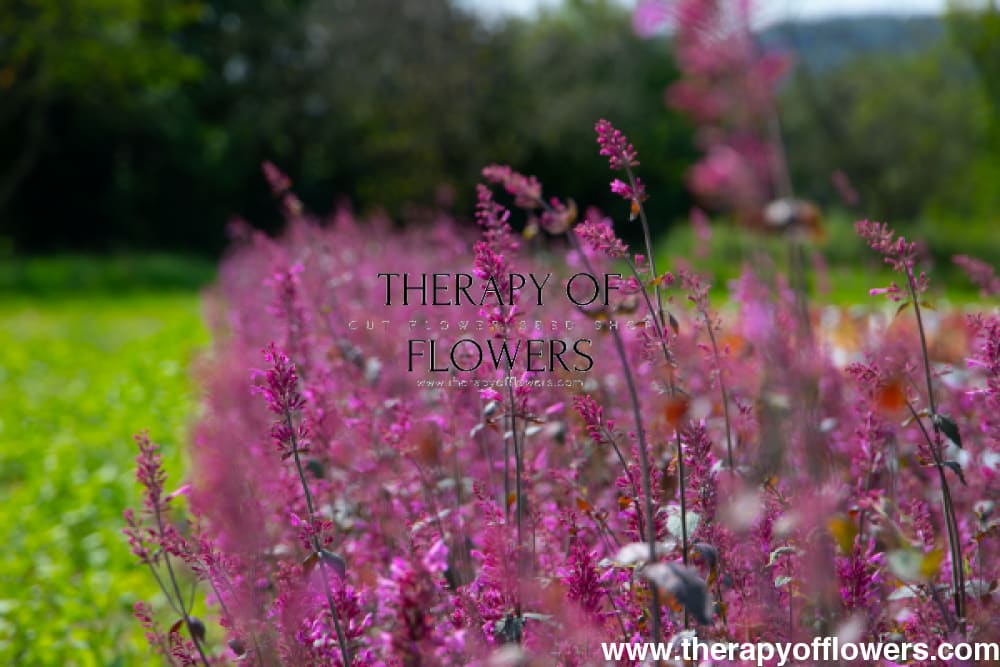
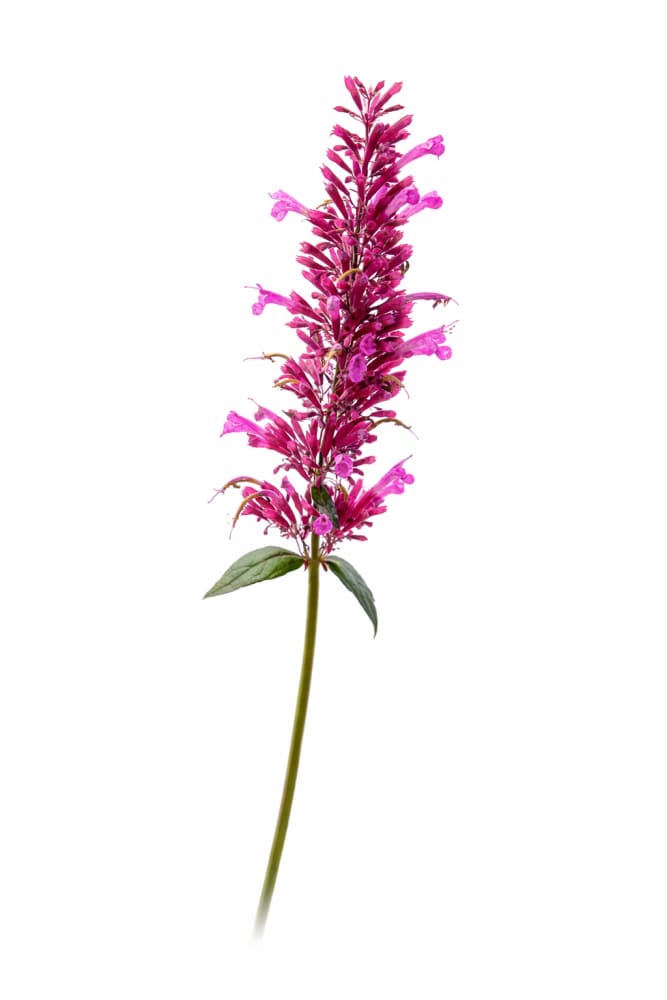
The variety produces abundant violet-purple flower spikes above aromatic foliage, creating a light, natural appearance throughout the garden. The nectar-rich flowers are highly attractive to bees, butterflies and other beneficial pollinators, making Zuni an excellent addition to wildlife-friendly and pollinator gardens.
One of its most valuable characteristics is its ability to flower in the first year from seed without requiring vernalization. As a FastraX perennial, Zuni combines the longevity of a perennial with relatively fast production, reaching flowering size in approximately 12–14 weeks under suitable spring growing conditions.
Once established, plants are relatively drought tolerant and perform particularly well in sunny, well-drained locations.
Why Choose Agastache Zuni?
- Beautiful violet-purple flower spikes
- Flowers in the first year from seed
- No vernalization required for first-year flowering
- Highly attractive to bees and butterflies
- Excellent pollinator-friendly perennial
- Vigorous, bushy growth habit
- Aromatic foliage
- Good drought tolerance once established
- Long-lasting garden performance
- Excellent for sunny borders and naturalistic planting
- Suitable for pots and mixed containers
- Hardy perennial in suitable climates
Plant Information
-
Botanical name: Agastache cana
-
Variety: Zuni
-
Common name: Hummingbird Mint
-
Family: Lamiaceae
-
Origin: North America
-
Flower colour: Violet-purple
-
Plant height: Approx. 70–80 cm
-
Typical height: Approx. 75 cm
-
Plant width: Approx. 50 cm
-
Growth habit: Upright, bushy and vigorous
-
Life cycle: Perennial
-
Crop time: Approx. 84–98 days (12–14 weeks)
-
Exposure: Full sun
-
Hardiness zone: USDA 5–9
-
Seed form: Raw seed
-
Minimum germination rate: 75%
-
Uses: Borders, pots, mixed containers, landscape and pollinator gardens
Sowing
When to Sow
For first-year flowering, sow from January onwards under protected conditions.
Earlier sowing allows plants sufficient time to establish and develop into strong flowering plants during their first growing season.
How to Sow
Sow approximately 2–4 seeds per plug onto the surface of a fine, well-drained seed-starting medium.
Do not cover the seeds. Agastache seeds require light for successful germination.
Gently press the seeds onto the surface of the substrate to ensure good contact while still allowing them to receive light.
Keep the growing medium evenly moist but never waterlogged.
Germination
-
Germination temperature: Around 20°C
-
Light: Required for germination
-
Initial humidity: Approx. 95–100%
-
Radicle emergence: Approximately 14 days
-
After germination: Gradually reduce humidity and provide good airflow
Once seedlings become established, reducing humidity to approximately 40–60% helps encourage compact, healthy growth and reduces excessive stretching.
Growing On
After germination, gradually reduce the growing temperature to approximately 16–18°C.
Following transplanting, cooler conditions of around 12°C can encourage strong, compact plants.
Avoid prolonged excessively wet conditions. Agastache performs best in a well-drained growing medium with good ventilation and airflow.
Young plants should be protected from severe cold during production.
Planting in the Garden
Plant outdoors after the risk of severe frost has passed and the young plants have been properly hardened off.
Choose a location in full sun with well-drained soil. Agastache dislikes persistently wet ground, particularly during colder periods.
Once established, Zuni develops good drought tolerance and is particularly suitable for sunny, relatively dry garden positions.
Soil & Care
For best results, provide:
-
Soil: Well-drained, moderately fertile
-
Recommended pH: Approx. 5.5–6.2
-
Light: Full sun
-
Watering: Moderate; avoid waterlogging
-
Air circulation: Good airflow is beneficial
-
Feeding: Moderate – avoid excessive fertilisation
Allow the soil to drain freely between watering. Established plants generally require less water than many traditional bedding plants.
First-Year Flowering
One of the greatest advantages of Agastache cana Zuni is its ability to flower in its first growing season.
Unlike many traditional perennials, it does not require a cold vernalization period before flowering, making it an excellent choice for gardeners and professional growers who want perennial performance without waiting until the following year for flowers.
Under suitable conditions, the spring crop time is approximately 12–14 weeks (84–98 days).
Pollinator Garden
The nectar-rich flowers make Agastache particularly valuable for wildlife-friendly planting.
Plant Zuni alongside other pollinator favourites such as Echinacea, Achillea, Salvia and ornamental grasses to create a long-lasting, naturalistic planting with excellent texture and movement.
Perfect For
- Pollinator gardens
- Perennial borders
- Naturalistic gardens
- Prairie-style planting
- Sunny and dry borders
- Cottage gardens
- Mixed perennial beds
- Pots and larger containers
- Landscape planting
Agastache cana 'Zuni' combines violet-purple flowers, aromatic foliage, first-year flowering and excellent drought tolerance in one highly versatile perennial. Its upright, airy flowers and strong attraction to pollinators make it an excellent choice for contemporary naturalistic gardens as well as traditional perennial borders.