-

Campanula medium Champion | Canterbury Bells | Biennial Flower Seeds Collection
Campanula medium Champion, commonly known as Canterbury Bells, is a beloved biennial...
-

Antirrhinum majus | Snapdragon
Snapdragons (Antirrhinum majus) are beloved for their vibrant, dragon-shaped blooms that bring...
-

Annual Flower Seeds | Bright Blooms for Every Season
Discover the full range of annual flower seeds from Therapy of Flowers...
-

Perennial Flower Seeds | Timeless Beauty That Returns Every Year
Discover the Therapy of Flowers collection of perennial flower seeds — carefully selected...
-
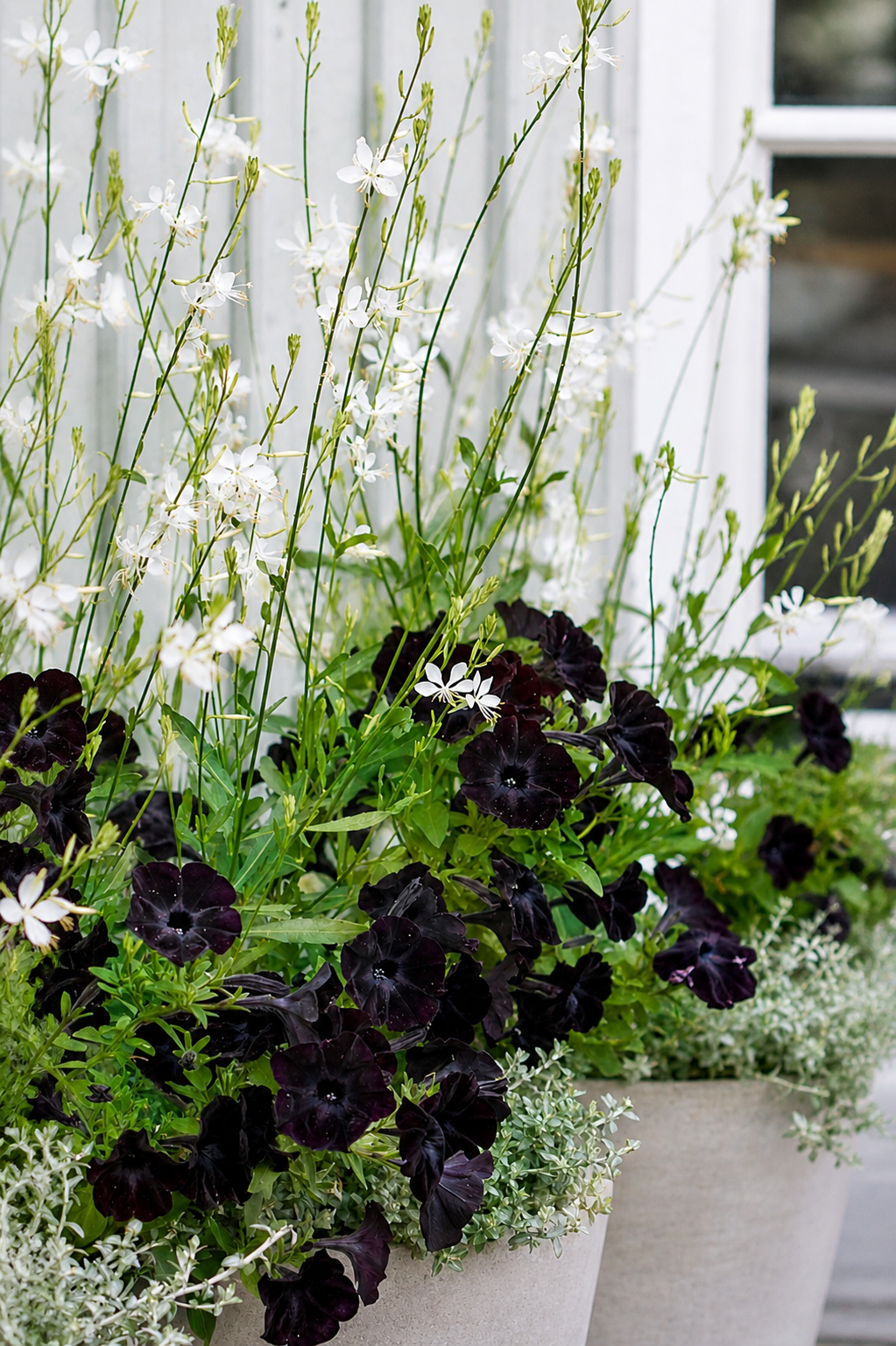
Pot flowers | Container Plants seeds
Pot flowers add vibrant color and charm to any indoor or outdoor...
-
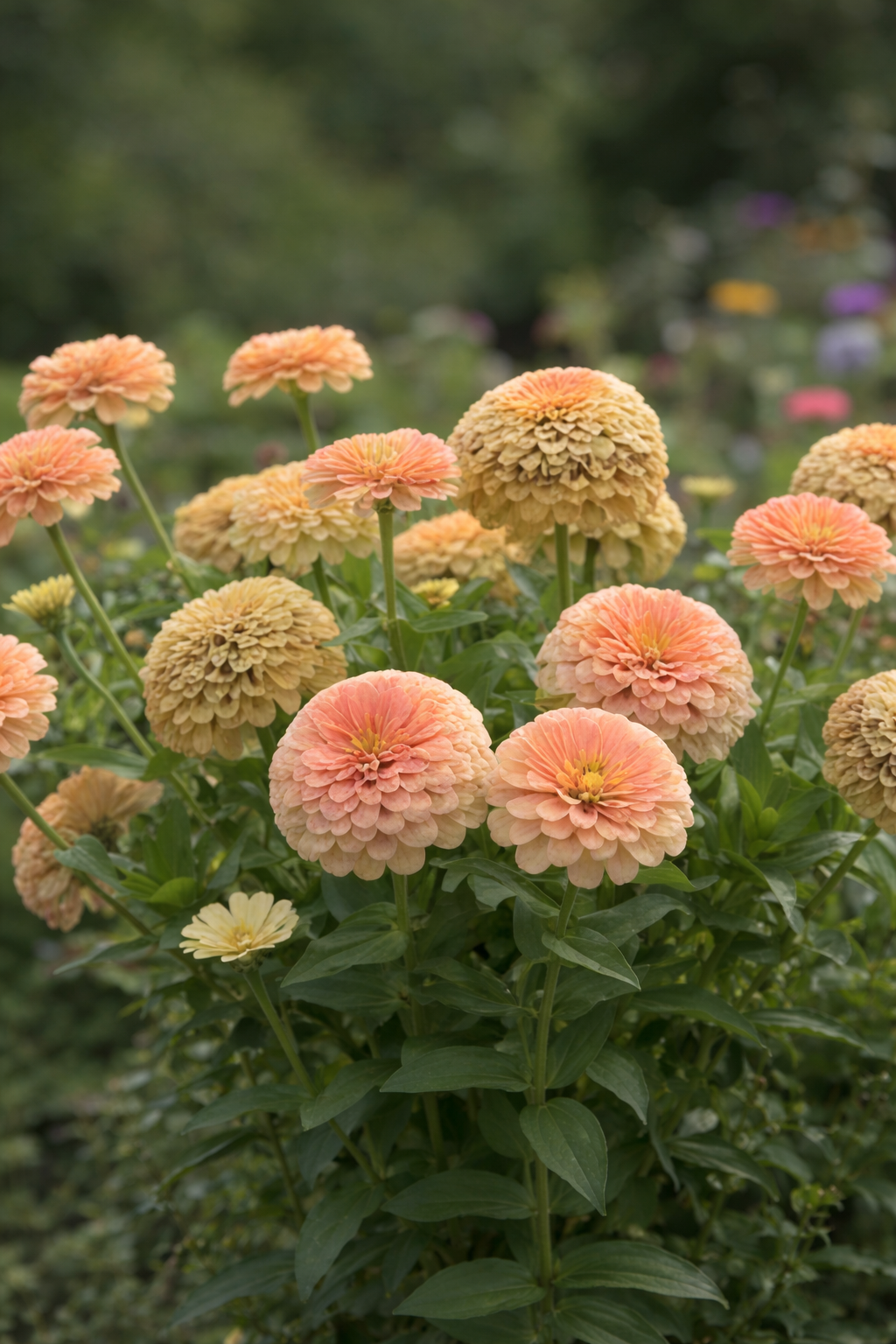
Border Flower Seeds Collection
Create depth, structure, and seasonal beauty in every border A well-designed flower...
-

Foliage and green flower seeds
Shop a variety of foliage and green flower seeds to add texture...
-

All Biennials seeds
Biennial Seeds | Perfect Plants for a Two-Year Garden Display Biennials are...


A-Z Flower Seeds
-
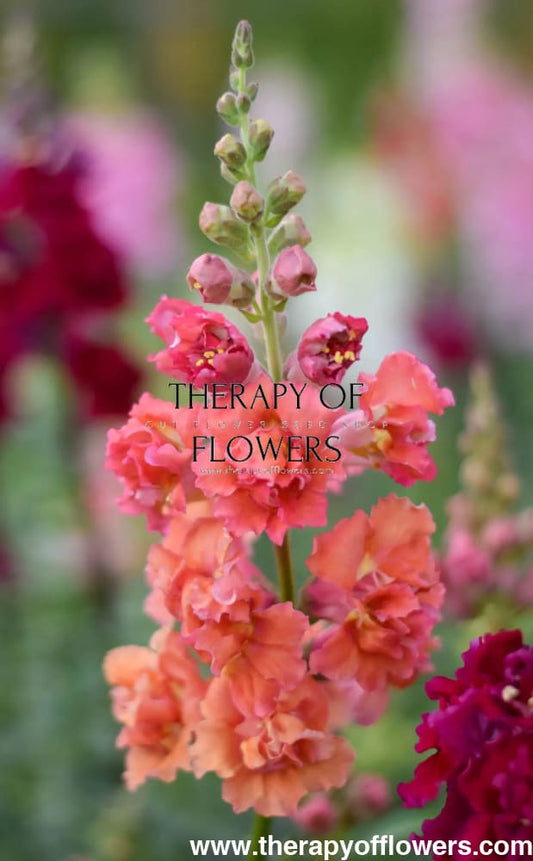
Snapdragon Madame Butterfly™ Bronze F1 | Group 2,3 | Antirrhinum majus
Vendor:therapyofflowers.comRegular price €1,50 EURRegular priceUnit price per -
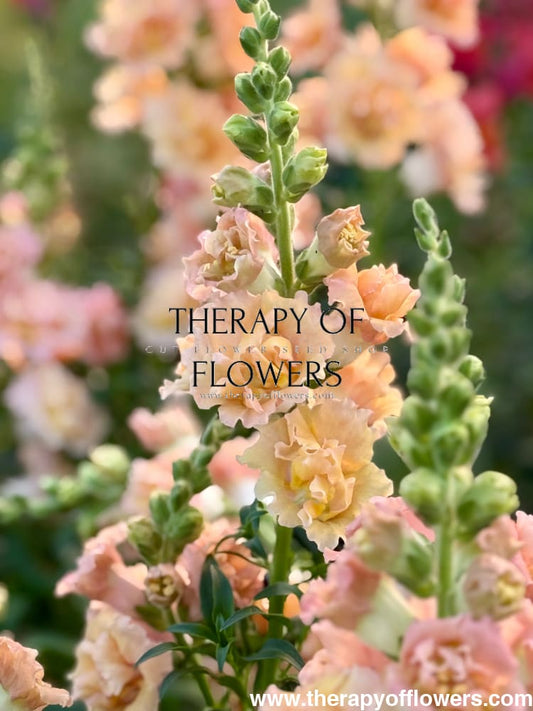
Snapdragon Snapstar Champagne F1 | Group 1,2 | Antirrhinum majus
Vendor:therapyofflowers.comRegular price €2,20 EURRegular priceUnit price per -
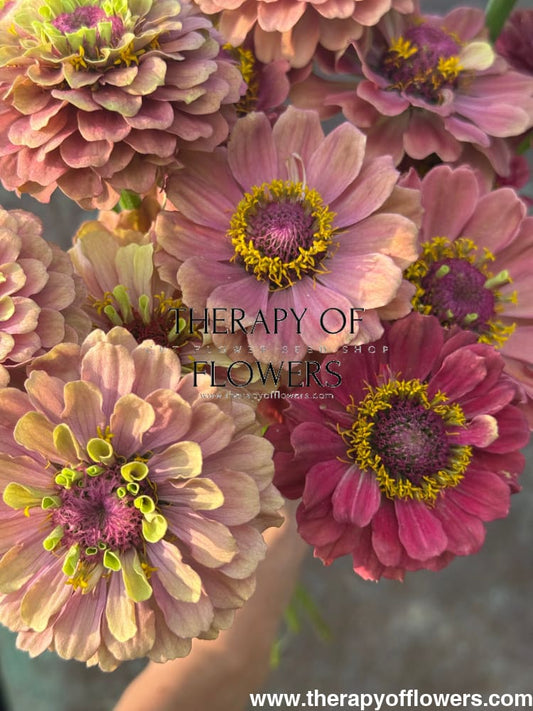
Zinnia elegans Queeny Red Lime | Dahlia Flowered Zinnia
Vendor:therapyofflowers.comRegular price €3,30 EURRegular priceUnit price per -
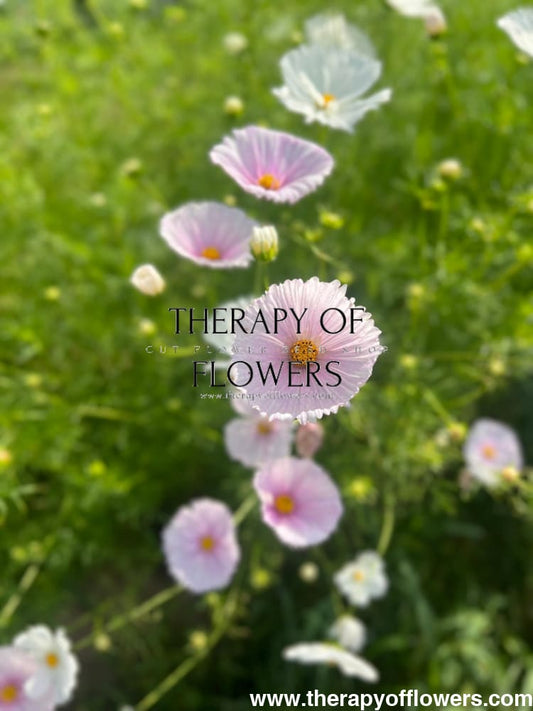
Cosmos bipinnatus Cupcakes Blush | Cut Flower
Vendor:therapyofflowers.comRegular price €2,50 EURRegular priceUnit price per -
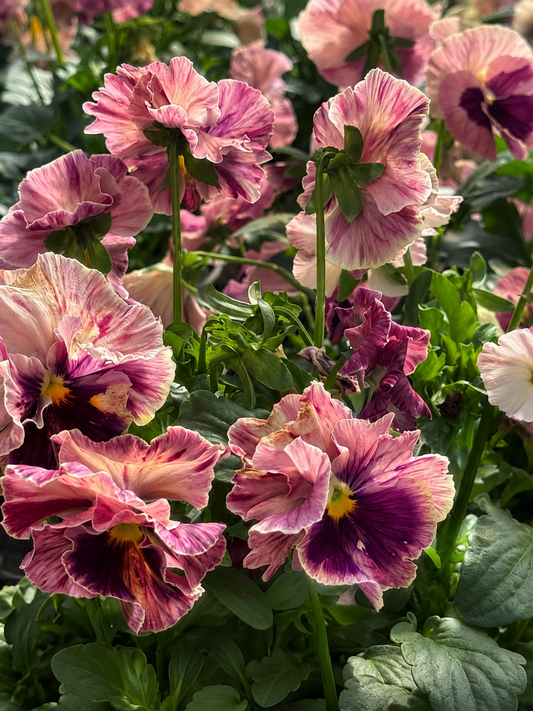
Viola x wittrockiana Chianti mixed F1 | Pansy
Vendor:therapyofflowers.comRegular price €4,20 EURRegular priceUnit price per -
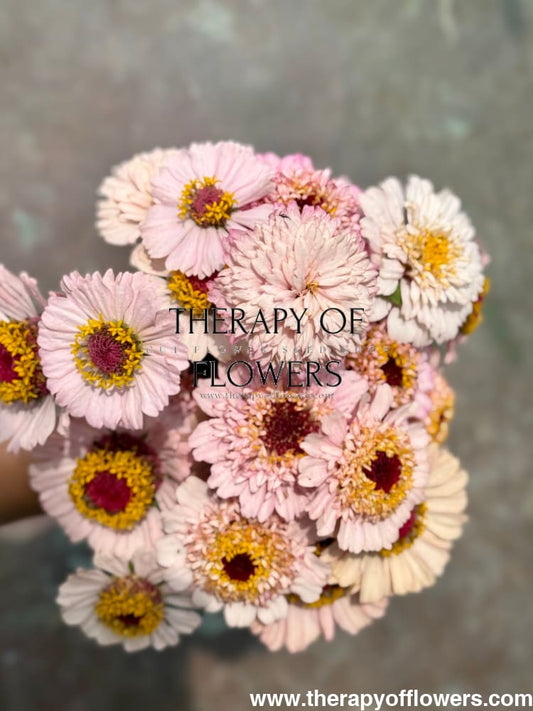
Zinnia elegans Zinderella Lilac | Scabiosa-Flowered Zinnia
Vendor:therapyofflowers.comRegular price €2,70 EURRegular priceUnit price per