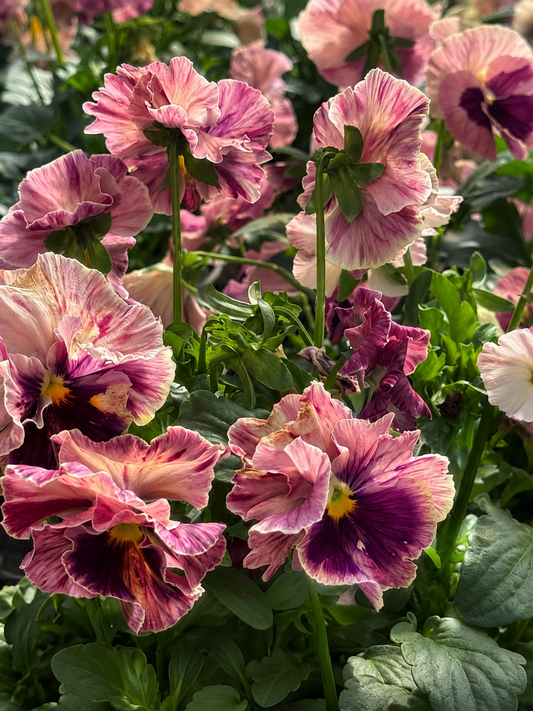
Ranunculus Elegance® Salmone 06 | Italian Ranunculus | Corm Size 4/5
Premium Italian ranunculus | Large, fully double flowers | Excellent cut flower
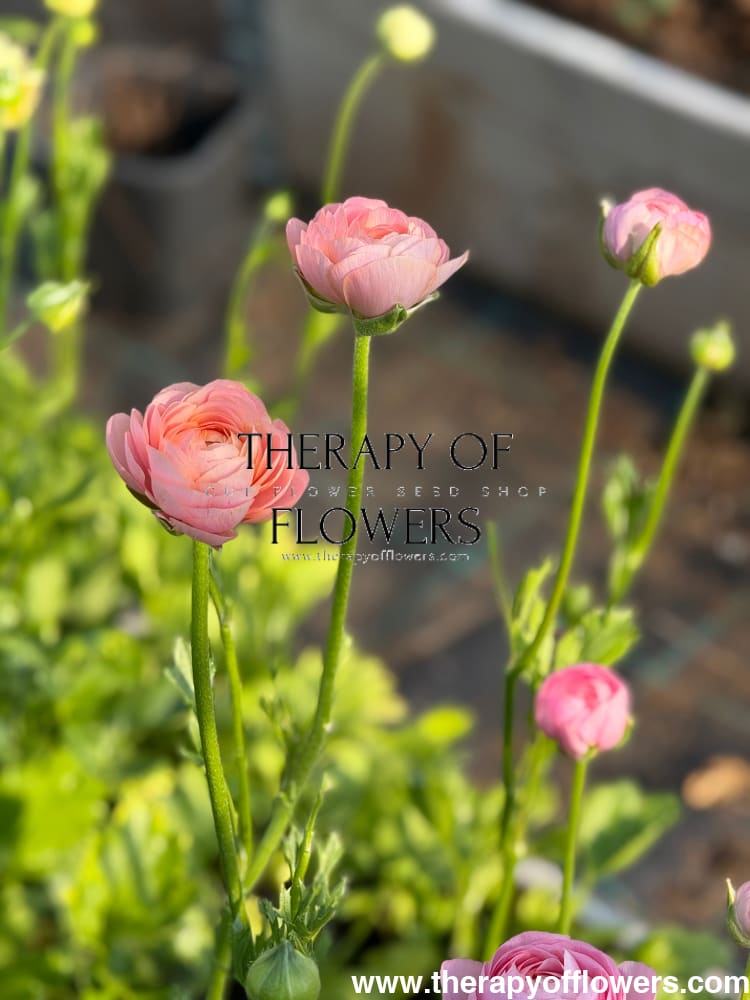
Ranunculus Elegance® Salmone 06 is one of the most sought-after varieties in the premium Italian Elegance® collection. Its large, densely layered flowers open in a luminous blend of salmon, peach, soft coral and delicate pink. The colouring changes subtly as each flower develops, creating beautiful variations for bouquets and garden displays.
The many silky petals form a full, rose-like flower. Its warm yet delicate colour makes Salmone 06 especially beautiful in romantic spring bouquets, wedding arrangements and sophisticated floral designs.
Developed in Italy by Biancheri Creazioni, the professional Elegance® series is valued by flower growers and florists for its vigorous plants, strong stems, large flowers and excellent productivity.
Key Features
- Premium Italian ranunculus
- Professional Elegance® series
- Large, fully double flowers
- Salmon, peach, coral and soft pink colouring
- Strong stems suitable for cutting
- Excellent flower production
- Long-lasting cut flowers
- Suitable for flower farms and home gardens
- Can be grown in beds, greenhouses and large containers
- Premium corm size 4/5
The precise colour of individual flowers may vary depending on temperature, light and growing conditions. Cooler conditions may produce deeper shades, while mature flowers often soften to lighter peach and blush tones.
Botanical and Growing Information
-
Botanical name: Ranunculus asiaticus
-
Variety: Elegance® Salmone 06
-
Series: Elegance®
-
Breeder: Biancheri Creazioni, Italy
-
Common name: Italian Ranunculus
-
Product supplied as: Dormant corms
-
Corm size: 4/5
-
Flower colour: Salmon, peach, soft coral and pink
-
Flower type: Large and fully double
-
Plant height: Approximately 40–60 cm
-
Time to first flowers: Approximately 90–120 days after planting
-
Flowering period: Spring to early summer
-
Position: Full sun or very light partial shade
-
Soil: Fertile, loose and very well drained
-
Planting distance: Approximately 15–20 cm
-
Planting depth: Approximately 3–5 cm
-
Suitable for: Cut flower production, raised beds, greenhouses, polytunnels, garden beds and large containers
How Long Does It Take to Flower?
Under favourable conditions, the first flowers can appear approximately 90 days after planting pre-sprouted corms.
In cooler conditions or during periods with low natural light, flowering may begin after approximately 100–120 days. Ranunculus planted and grown slowly during winter will normally take longer than corms planted into bright spring conditions.
Flowering time depends on:
- planting date;
- soil and air temperature;
- available natural light;
- whether the corms were pre-sprouted;
- root health;
- watering and fertilisation;
- cultivation outdoors or under protection.
Ranunculus is a cool-season plant. It produces its best flowers and longest stems in bright, cool conditions. Prolonged warm weather can shorten flowering and cause the plant to enter dormancy.
Beginner’s Guide: How to Wake Up Ranunculus Corms
Dry ranunculus corms look small, hard and shrivelled when they arrive. This is completely normal. They are dormant and must first absorb water before beginning active growth.
What You Will Need
- ranunculus corms;
- a clean bowl or container;
- clean, cool or room-temperature water;
- a clean planting tray;
- light potting mix, coco coir or vermiculite;
- a cool place protected from frost and rodents.
Step 1: Inspect the Corms
Healthy dormant corms should feel dry and firm. Discard any corms that are soft, wet, heavily mouldy or have an unpleasant smell.
A dry, wrinkled appearance is normal before soaking.
Step 2: Soak for 3–4 Hours
Place the corms in clean, cool or room-temperature water for approximately 3–4 hours.
Do not use hot water and do not leave the corms soaking overnight. Excessively long soaking can damage the corms and increase the risk of rot.
During soaking, the corms will absorb water, become plumper and begin to wake from dormancy.
For additional oxygen, you may:
- change the water once or twice;
- allow a very gentle stream of water to enter the container;
- use a small aquarium air pump.
Aeration can be useful, but it is not essential when soaking a small quantity of corms.
Step 3: Plant Directly or Pre-Sprout
After soaking, the corms may be planted directly into their final position. However, pre-sprouting is recommended, especially for beginners and for growing in Northern European climates.
Pre-sprouting helps to:
- identify healthy and viable corms;
- produce more even growth;
- give plants an earlier start;
- reduce empty spaces in the planting bed;
- protect the corms from cold and excessively wet soil.
Step 4: Prepare the Growing Medium
Fill a clean tray with light growing medium. It should feel only slightly moist, similar to a well-wrung sponge.
The growing medium must not be wet. Excess moisture is the most common reason ranunculus corms rot during pre-sprouting.
Suitable growing media include:
- light seed-starting mix;
- potting mix with added perlite;
- coco coir;
- vermiculite.
Step 5: Place the Corms in the Tray
Place the soaked corms in a single layer with the pointed, claw-like parts facing down.
Cover them with approximately 2–3 cm of lightly moist growing medium. Label each variety before placing the tray into storage.
The corms may be positioned relatively close together because they will remain in the tray for only a short period.
Step 6: Keep Cool for 10–14 Days
Place the tray in a cool, dark or dimly lit location at approximately 4–10°C for around 10–14 days.
Suitable locations include:
- a cool garage;
- a frost-free shed;
- a cool cellar;
- a refrigerator used for plants;
- another cool room where the temperature remains above freezing.
Do not pre-sprout ranunculus in a warm living room. Warm temperatures can encourage mould and weak, elongated shoots.
Step 7: Check Regularly
Check the tray every two or three days.
The growing medium should remain slightly moist but never wet. In many cases, no additional water is required during pre-sprouting.
Remove any corm that becomes soft, slimy, heavily mouldy or unpleasant-smelling.
Step 8: Plant When Roots Appear
After approximately 10–14 days, healthy corms should have developed small white roots and possibly short shoots.
They are now ready to plant. Handle them carefully because the new roots are fragile and break easily.
Do not wait until the shoots become long, pale or tangled.
Planting Instructions
Plant the pre-sprouted corms with the pointed claws facing down and the rounded central part facing upwards.
- Plant approximately 3–5 cm deep
- Leave approximately 15–20 cm between plants
- Choose a bright, sunny and sheltered position
- Use fertile and exceptionally well-drained soil
- Water lightly after planting
If the garden soil is heavy or remains wet, grow ranunculus in raised beds or containers. Cold, waterlogged soil is the greatest risk to newly planted corms.
Growing in Northern Europe
In cold climates, ranunculus is safest when grown in:
- an unheated greenhouse;
- a polytunnel;
- a raised bed with frost protection;
- a large container that can be moved or protected;
- an outdoor bed after the risk of severe frost has passed.
Young plants tolerate cool conditions, but prolonged or severe frost can damage them. Protect the plants with horticultural fleece when freezing temperatures are expected.
Ranunculus should not be grown in warm indoor conditions. Bright, cool conditions produce stronger plants, longer stems and better-quality flowers.
Watering
Water lightly after planting to settle the soil around the roots. Do not saturate the planting area.
Until active leaves appear, water very carefully. The corm does not yet use much moisture and may rot in wet soil.
Once active growth begins:
- keep the soil evenly moist;
- water when the upper soil layer begins to dry;
- direct water towards the base of the plant;
- avoid repeatedly wetting the leaves and buds;
- never allow the roots to remain in standing water.
As plants become larger and begin producing flower stems, they require more water. Consistent moisture helps produce longer stems and larger flowers.
How to Fertilise Ranunculus
Ranunculus benefits from fertile soil, but excessive fertiliser, especially nitrogen, can encourage soft leafy growth, weak stems and fewer flowers.
The aim is to develop healthy roots first, followed by strong stems and abundant flowering.
Before Planting
Prepare the soil with:
- mature, well-decomposed compost;
- a moderate amount of balanced fertiliser;
- additional drainage material if the soil is heavy.
A balanced fertiliser with an NPK ratio similar to 5-5-5, 7-2-4 or another formula intended for flowering plants can be used according to the manufacturer’s instructions.
Do not use fresh manure, as it may damage the roots and encourage excessive leafy growth.
After Planting
Do not apply strong liquid fertiliser immediately after planting. Allow the corms to establish their roots first.
Begin supplementary feeding when the plants have several healthy leaves and are actively growing, usually approximately 3–4 weeks after planting.
Use a balanced liquid fertiliser at a low or half-strength dose, following the instructions on the product label.
During Active Growth
Feed approximately every 2–3 weeks if the soil is relatively poor or if the plants are grown in containers.
Plants growing in fertile beds enriched with compost may require less frequent feeding.
Healthy ranunculus foliage should be fresh green. Very dark green, soft and excessively large leaves may indicate too much nitrogen.
When Flower Buds Appear
Once the first buds become visible, use a fertiliser formulated for flowering plants. Choose one with moderate nitrogen and slightly more potassium.
Suitable NPK ratios may include:
- 5-5-7;
- 5-3-8;
- 7-5-10;
- or another similar flowering-plant formula.
The exact numbers do not need to match perfectly. The most important requirement is to avoid a high-nitrogen fertiliser intended mainly for lawns or foliage plants.
Never exceed the manufacturer’s recommended dose.
Important Fertilising Rules
- Never fertilise completely dry soil.
- Water dry plants with plain water before feeding.
- Do not fertilise wilted, heat-stressed or waterlogged plants.
- Keep concentrated fertiliser away from the corm and young roots.
- Do not combine several fertilisers at full strength.
- Reduce feeding if plants produce excessive foliage but few buds.
- Stop feeding when the leaves begin to yellow naturally after flowering.
Growing in Containers
Ranunculus Elegance® Salmone 06 can be grown in large containers with drainage holes.
Use a high-quality, fertile and free-draining potting mix. Avoid very small pots because they dry out quickly and restrict root development.
For container growing:
- leave approximately 15 cm between corms;
- keep the container in a bright, cool location;
- check moisture regularly;
- never leave the pot standing in water;
- protect the container from severe frost;
- begin gentle liquid feeding after active growth has started.
Containers warm up more quickly than garden beds. Move them away from hot walls and intense midday heat as spring temperatures rise.
Supporting the Plants
Elegance® ranunculus produces strong stems, but plants grown for cutting may still benefit from support, especially in windy locations.
Install horizontal flower netting or another support system while the plants are still small. Early support helps keep the stems straight and prevents them from bending during wind or heavy rain.
Harvesting for Cut Flowers
Harvest when the flower is fully coloured and beginning to open but is not yet completely expanded.
Gently squeeze the flower bud:
- a very hard bud is usually too immature;
- a soft bud that feels similar to a marshmallow is ready to harvest;
- a fully open flower is suitable for immediate use but may have a shorter vase life.
Cut the stems during the cool morning hours and place them immediately into clean water.
Remove any foliage that would remain below the water line. Use a clean vase, refresh the water regularly and keep the flowers away from direct sunlight, heat sources and ripening fruit.
Regular harvesting encourages the plant to continue producing new flower stems.
After Flowering
Allow the foliage to remain until it turns yellow and dies back naturally. While the leaves remain green, they continue supplying energy to the underground corm.
Gradually reduce watering as the foliage begins to yellow. Once the plant is completely dormant, the corms can be lifted, cleaned and dried.
Store dry corms in a cool, dark and well-ventilated place. In wet climates, lifting and storing the corms is safer than leaving them in damp soil during dormancy.
Common Beginner Mistakes
Soaking for Too Long
Three to four hours is generally sufficient. Leaving the corms in stagnant water overnight can increase the risk of rot.
Keeping the Pre-Sprouting Mix Too Wet
The growing medium should be only slightly moist. Wet compost is one of the most common causes of corm failure.
Pre-Sprouting in a Warm Room
Ranunculus needs cool conditions. Warm temperatures can encourage mould and weak, elongated growth.
Planting Upside Down
The pointed claws must face downwards. The rounded central part should face upwards.
Watering Too Much Before Leaves Appear
Dormant and newly planted corms use very little water. Increase watering only after active growth begins.
Planting in Heavy or Waterlogged Soil
Excellent drainage is essential. Use raised beds or containers if the soil remains wet.
Using Too Much Nitrogen
Excess nitrogen produces abundant foliage but may reduce flowering and weaken the stems.
Important Growing Note
Ranunculus requires cool growing conditions, excellent drainage and careful moisture management. Success depends on the local climate, planting time and cultivation method.
Each corm is a living product. Flower number, stem length, bloom size, flowering time and colour intensity may vary according to growing conditions and plant care.