-

Campanula medium Champion | Canterbury Bells | Biennial Flower Seeds Collection
Campanula medium Champion, commonly known as Canterbury Bells, is a beloved biennial...
-

Antirrhinum majus | Snapdragon
Snapdragons (Antirrhinum majus) are beloved for their vibrant, dragon-shaped blooms that bring...
-

Semillas de flores anuales | Flores fáciles y coloridas
Bienvenido a Therapy of Flowers – tu tienda de semillas dedicada a...
-

Semillas de flores perennes | Belleza atemporal que vuelve cada año
Descubre la colección de semillas de flores perennes de Therapy of Flowers...
-
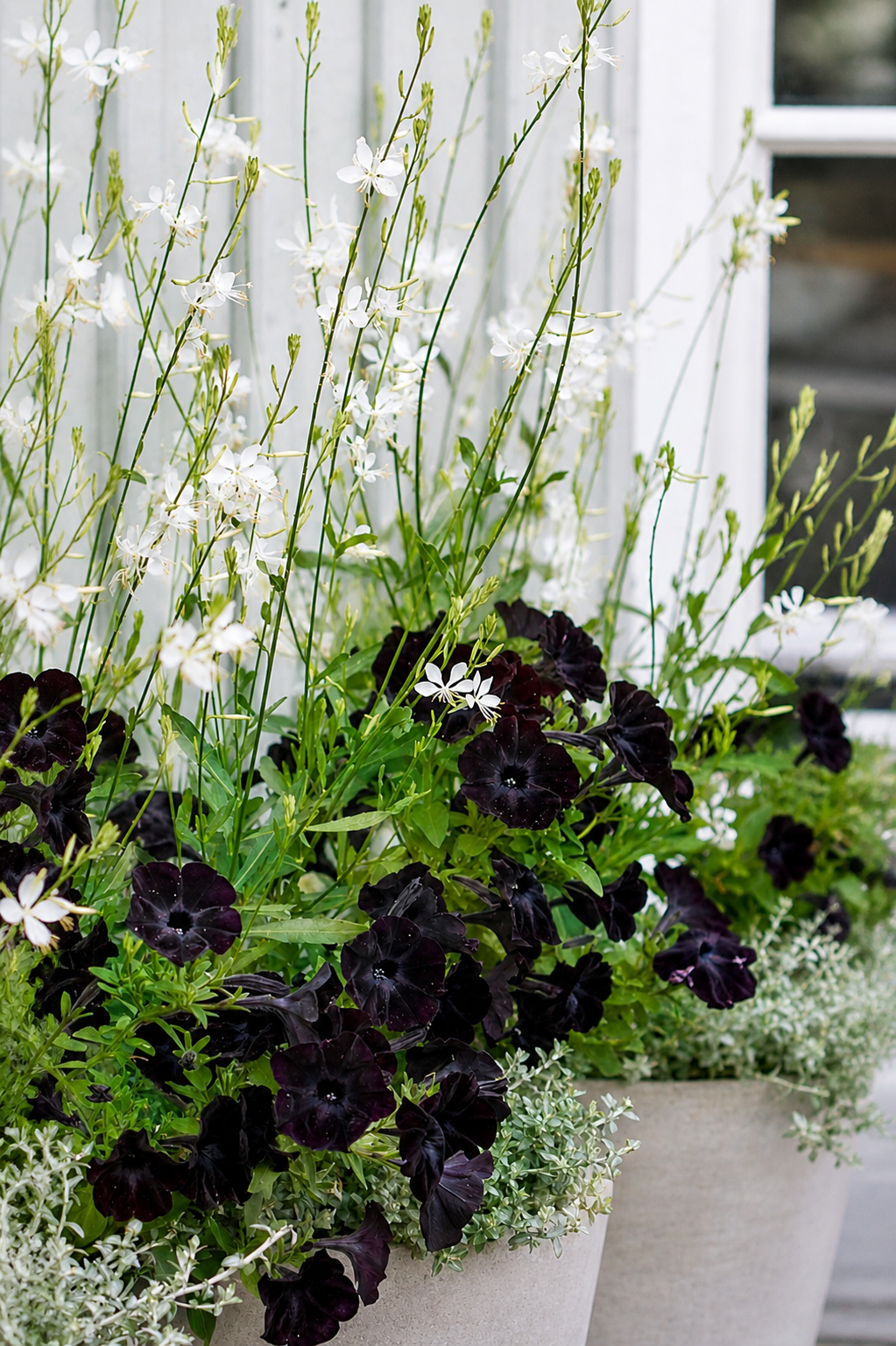
Semillas de Flores para Macetas | Plantas para Balcones y Contenedores
Hermosas variedades florales ideales para balcones, terrazas y jardines pequeños.
-
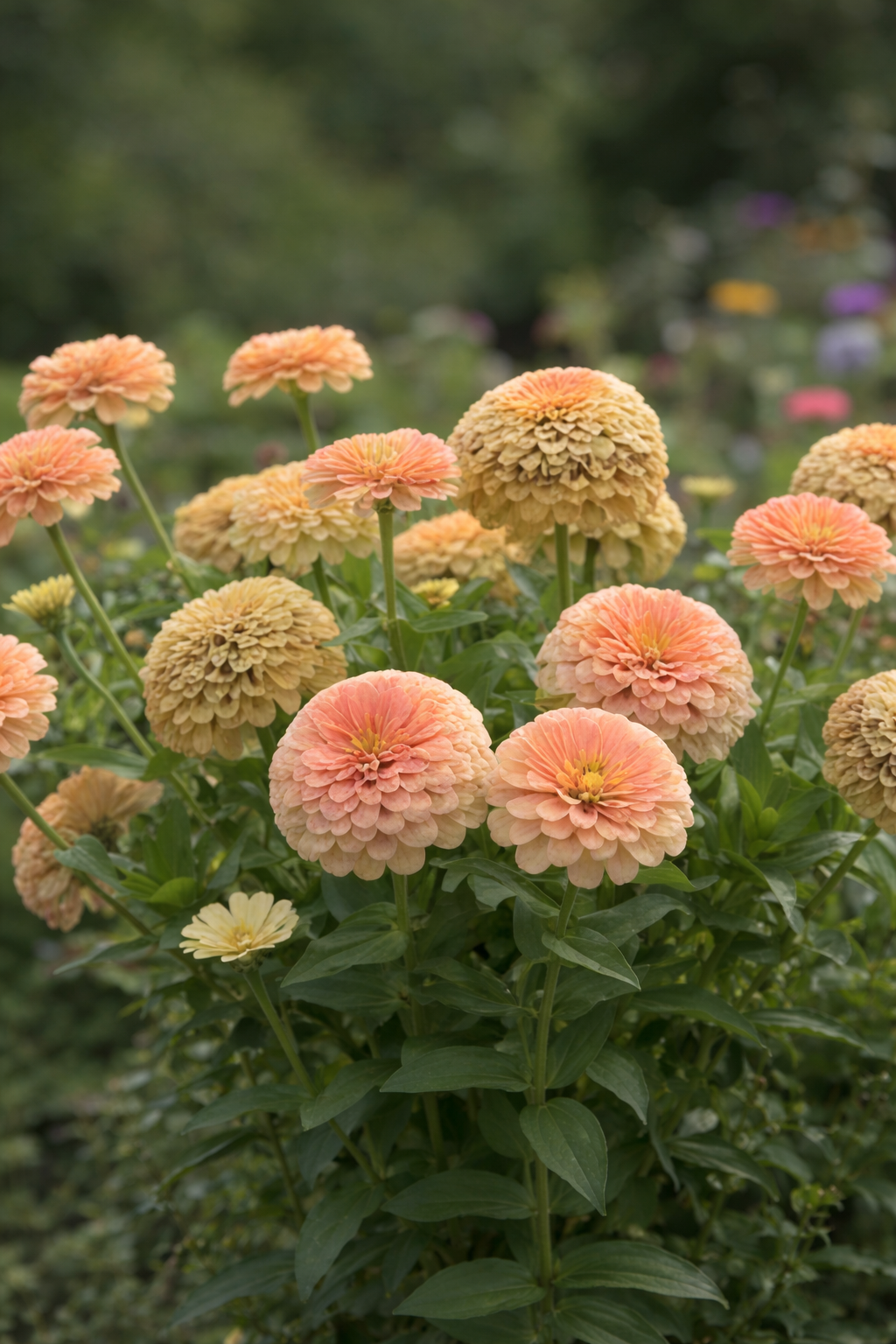
Semillas de flores para parterres de jardín
Crea parterres armoniosos, floridos y llenos de vida durante toda la temporada...
-

Foliage and green flower seeds
Shop a variety of foliage and green flower seeds to add texture...
-

All Biennials seeds
Biennial Seeds | Perfect Plants for a Two-Year Garden Display Biennials are...


A-Z Flower Seeds
-
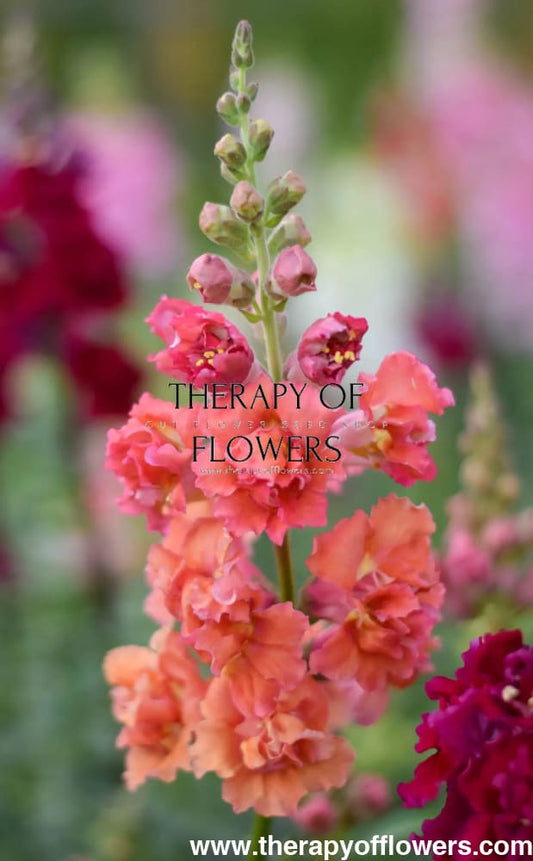
Snapdragon Madame Butterfly™ Bronze F1 | Group 2,3 | Antirrhinum majus
Proveedor:therapyofflowers.comPrecio habitual €1,50 EURPrecio habitualPrecio unitario por -
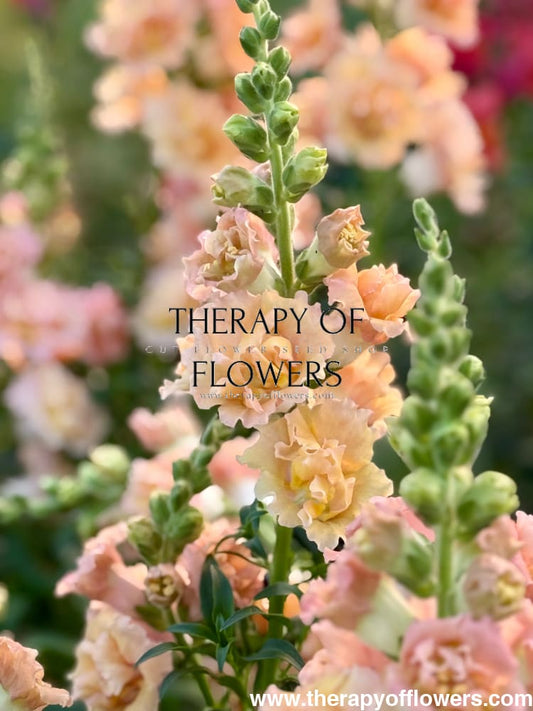
Snapdragon Snapstar Champagne F1 | Group 1,2 | Antirrhinum majus
Proveedor:therapyofflowers.comPrecio habitual €2,20 EURPrecio habitualPrecio unitario por -
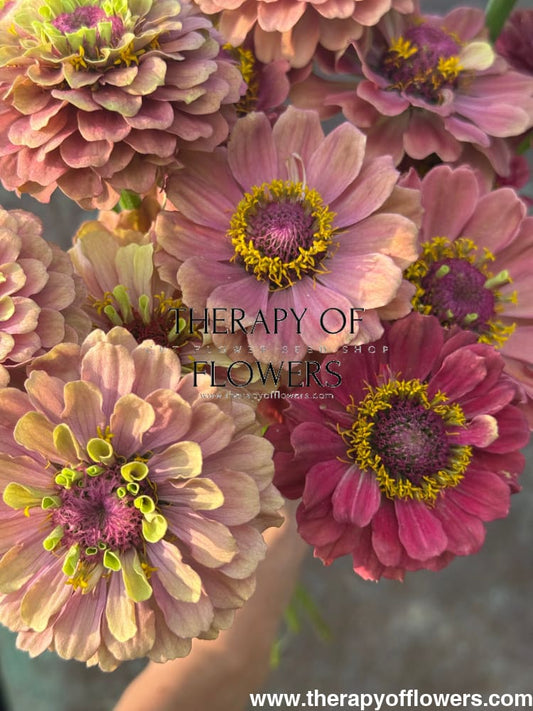
Zinnia elegans Queeny Red Lime | Dahlia Flowered Zinnia
Proveedor:therapyofflowers.comPrecio habitual €3,30 EURPrecio habitualPrecio unitario por -
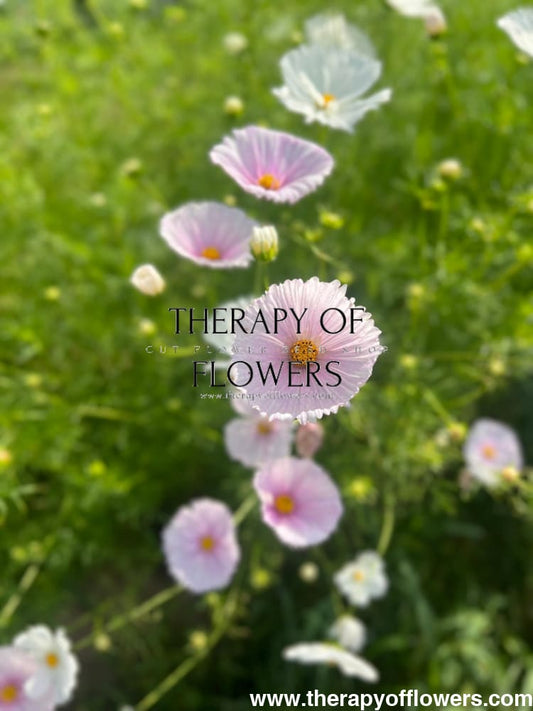
Cosmos bipinnatus Cupcakes Blush | Cut Flower
Proveedor:therapyofflowers.comPrecio habitual €2,50 EURPrecio habitualPrecio unitario por -
Viola x wittrockiana Chianti mixed F1 | Pansy
Proveedor:therapyofflowers.comPrecio habitual €4,20 EURPrecio habitualPrecio unitario por -
Zinnia ‘Zinderella Lilac’ | Zinnia elegans | Zinnia de flor tipo escabiosa
Proveedor:therapyofflowers.comPrecio habitual €2,70 EURPrecio habitualPrecio unitario por