
-
Kiinanritarinkannus Summer Blues® | Delphinium grandiflorum
Normaalihinta Alkaen €2,95 EURNormaalihintaYksikköhinta kohti -
Kiinanritarinkannus Summer Morning | Delphinium grandiflorum
Normaalihinta Alkaen €2,95 EURNormaalihintaYksikköhinta kohti -
Jaloritarinkannus ‘Summer Star’ | Delphinium grandiflorum
Normaalihinta €2,95 EURNormaalihintaYksikköhinta kohti -
Jaloritarinkannus ‘Benary’s Pacific Galahad’ | Delphinium hybrida
Normaalihinta €2,50 EURNormaalihintaYksikköhinta kohti -
Jaloritarinkannus Benary’s Pacific Guinevere | Delphinium hybrida
Normaalihinta €2,50 EURNormaalihintaYksikköhinta kohti -
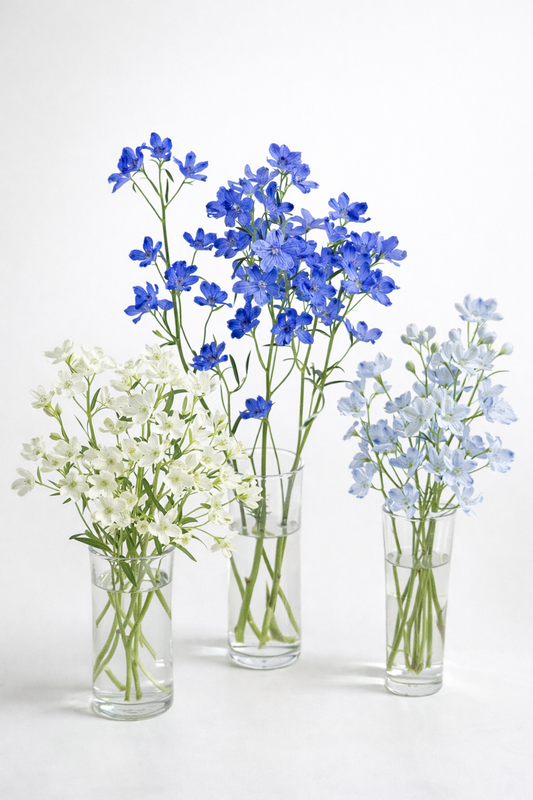
Jaloritarinkannus Benary’s Pacific Summer Skies | Delphinium hybrida
Normaalihinta Alkaen €2,50 EURNormaalihintaYksikköhinta kohti -
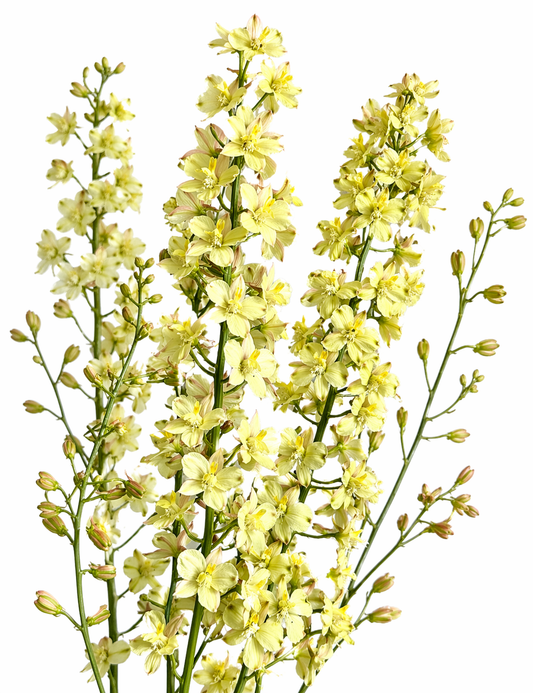
Delphinium semibarbatum Citrina (Zalil) | Beardless Larkspur
Normaalihinta €3,70 EURNormaalihintaYksikköhinta kohti -
Jaloritarinkannus Blue Shadow® | Delphinium x belladonna
Normaalihinta €2,50 EURNormaalihintaYksikköhinta kohti -
Delphinium x belladonna Clivedon Beauty | Candle larkspur
Normaalihinta €2,70 EURNormaalihintaYksikköhinta kohti -
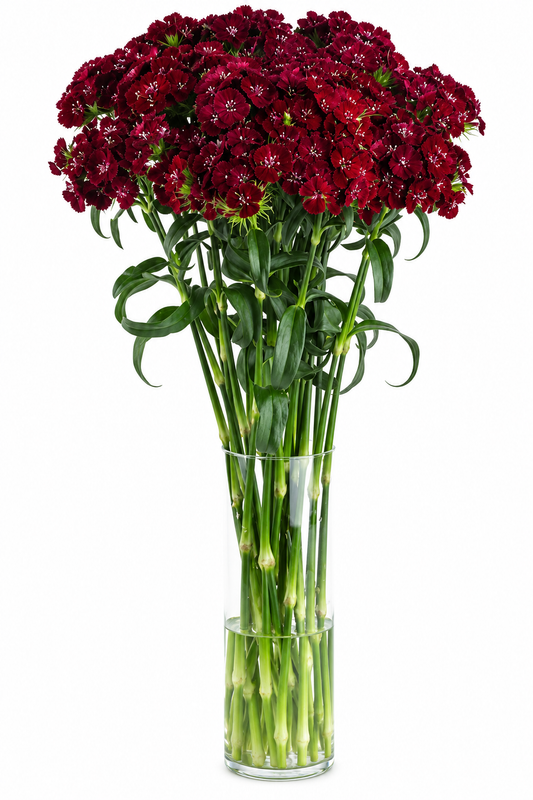
Harjaneilikka Sweet™ Black Cherry F1 | Dianthus barbatus | Pilleröidyt Siemenet
Normaalihinta Alkaen €2,70 EURNormaalihintaYksikköhinta kohti -
Harjaneilikka Sweet™ Cherryblossom Magic F1 | Dianthus barbatus | Pilleröidyt siemenet
Normaalihinta Alkaen €2,70 EURNormaalihintaYksikköhinta kohti -
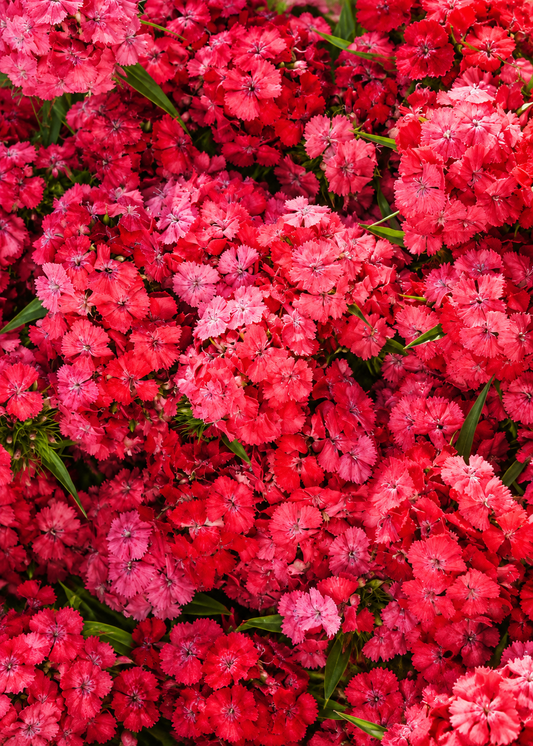
Harjaneilikka Sweet™ Coral | Dianthus barbatus | Pilleröidyt siemenet
Normaalihinta Alkaen €2,70 EURNormaalihintaYksikköhinta kohti -
Kesäneilikka Sweet™ Deep Pink Maxine F1 | Dianthus barbatus
Normaalihinta €2,70 EURNormaalihintaYksikköhinta kohti -
Harjaneilikka Sweet™ Dusty Flamingo F1 | Dianthus barbatus | Pilleröidyt siemenet
Normaalihinta Alkaen €2,70 EURNormaalihintaYksikköhinta kohti -
Harjaneilikka Sweet™ Neon Purple F1 | Dianthus barbatus | Pilleröidyt siemenet
Normaalihinta Alkaen €2,70 EURNormaalihintaYksikköhinta kohti -
Kesäneilikka Sweet Pink F1
Normaalihinta Alkaen €2,70 EURNormaalihintaYksikköhinta kohti -
Harjaneilikka Sweet™ Purple White Bicolor F1 | Dianthus barbatus | Pilleröidyt siemenet
Normaalihinta Alkaen €2,70 EURNormaalihintaYksikköhinta kohti -
Harjaneilikka Sweet™ Rose Magic F1 | Dianthus barbatus | Pilleröidyt siemenet
Normaalihinta Alkaen €2,70 EURNormaalihintaYksikköhinta kohti -
Harjaneilikka Sweet™ Salmon Magic F1 | Dianthus barbatus | Pilleröidyt siemenet
Normaalihinta Alkaen €2,70 EURNormaalihintaYksikköhinta kohti -
Kesäneilikka Sweet White F1
Normaalihinta Alkaen €2,70 EURNormaalihintaYksikköhinta kohti -
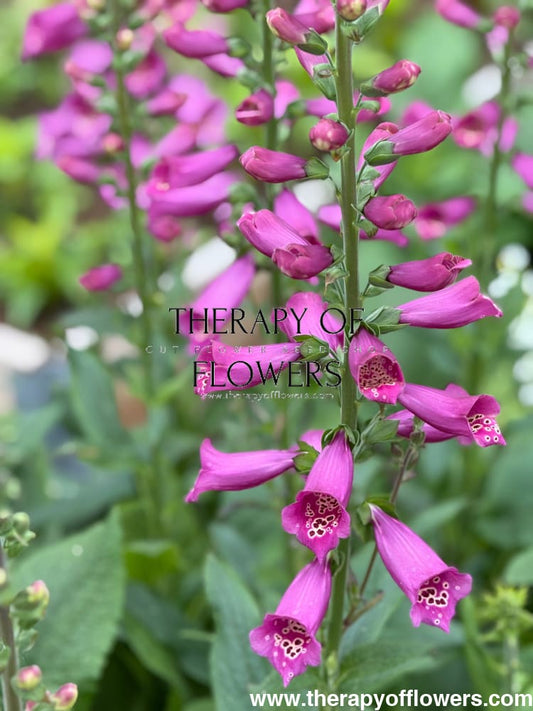
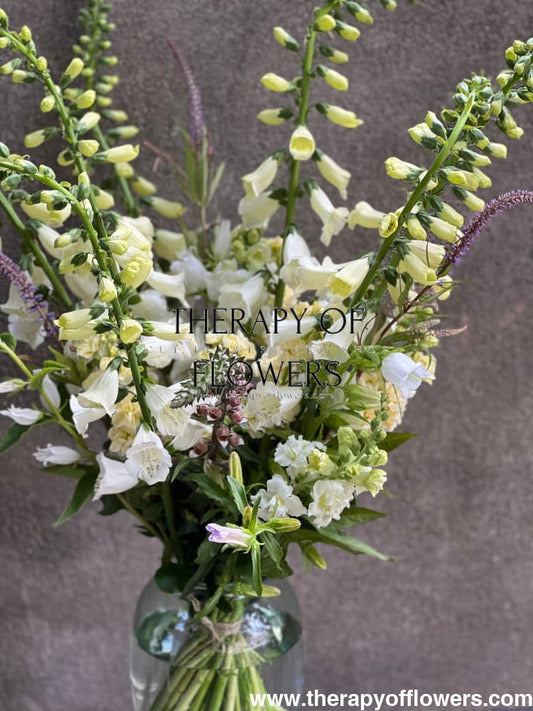
Sormustinkukka Camelot Cream F1
Normaalihinta €3,85 EURNormaalihintaYksikköhinta kohti -
Rohtosormustinkukka Camelot Lavender F1
Normaalihinta €3,85 EURNormaalihintaYksikköhinta kohti -
Rohtosormustinkukka Camelot Rose F1
Normaalihinta €3,85 EURNormaalihintaYksikköhinta kohti -
Rohtosormustinkukka Camelot White F1
Normaalihinta €3,85 EURNormaalihintaYksikköhinta kohti -
Sormustinkukka Dalmatian Creme | Digitalis purpurea
Normaalihinta Alkaen €3,30 EURNormaalihintaYksikköhinta kohti -
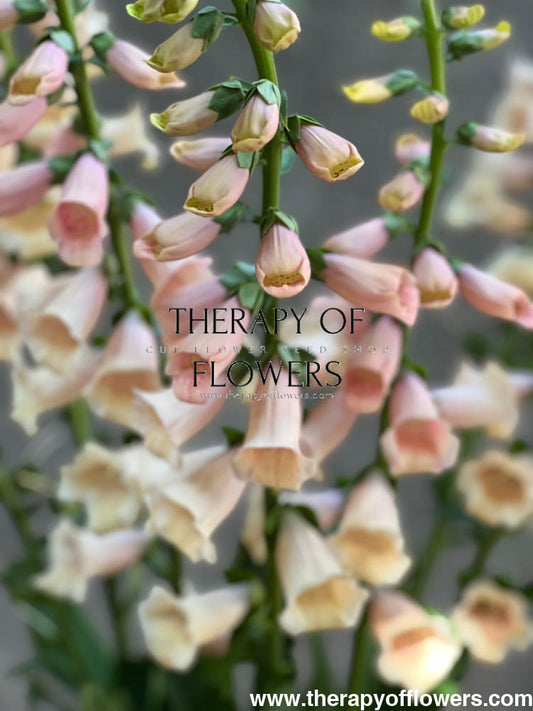
Sormustinkukka Dalmatian Peach | Digitalis purpurea
Normaalihinta Alkaen €3,30 EURNormaalihintaYksikköhinta kohti -

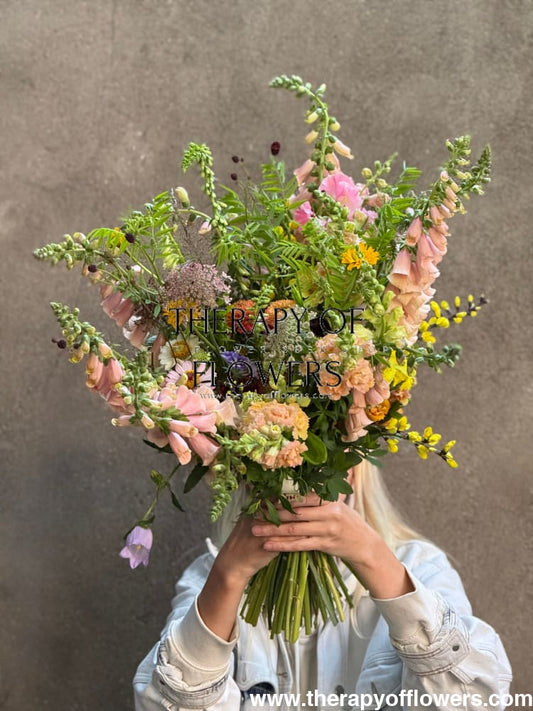 Loppuunmyyty
Sormustinkukka Dottie Peach F1
Normaalihinta €3,90 EURNormaalihintaYksikköhinta kohti -
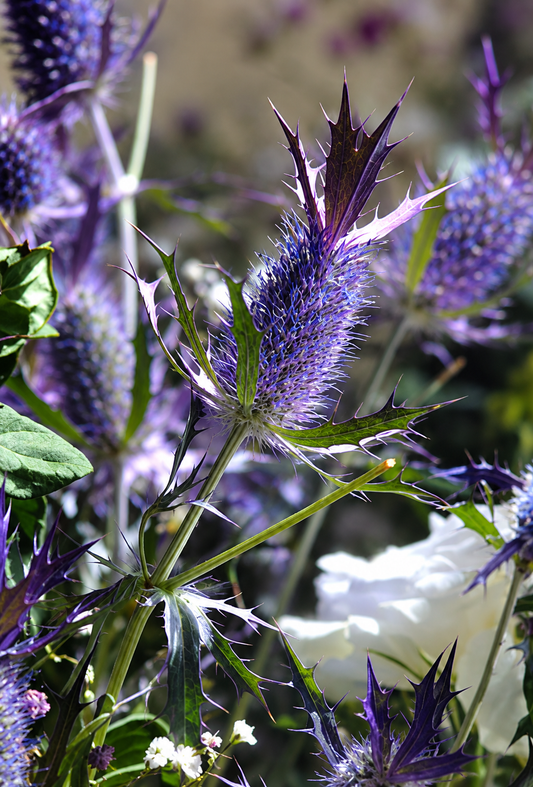
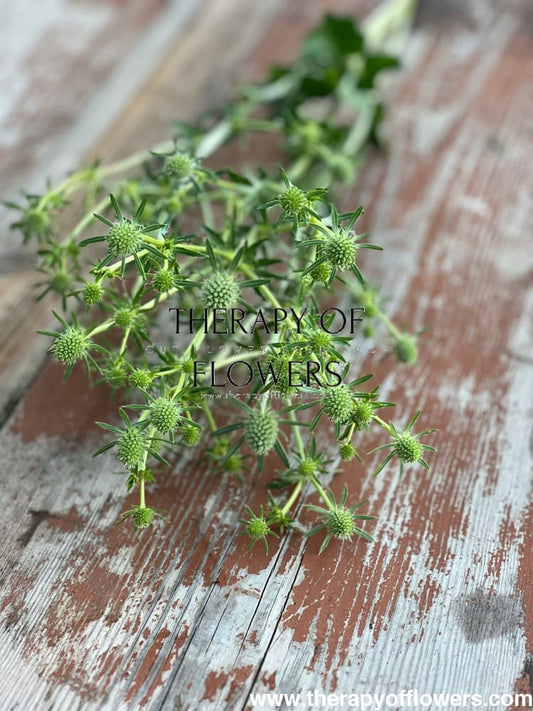
Piikkiputki Purple Sheen | Eryngium leavenworthii
Normaalihinta Alkaen €3,70 EURNormaalihintaYksikköhinta kohti -
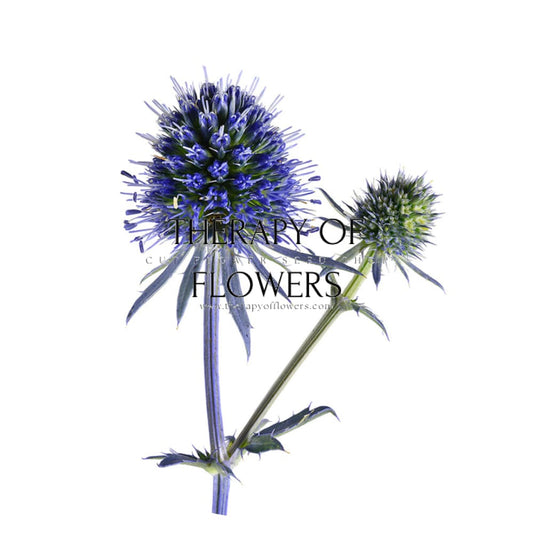
Sinipiikkiputki Blue Glitter | Eryngium planum
Normaalihinta €4,90 EURNormaalihintaYksikköhinta kohti -
Sinipiikkiputki White Glitter | Eryngium planum
Normaalihinta €4,90 EURNormaalihintaYksikköhinta kohti -
Täpläpipo Mystica
Normaalihinta €2,70 EURNormaalihintaYksikköhinta kohti -
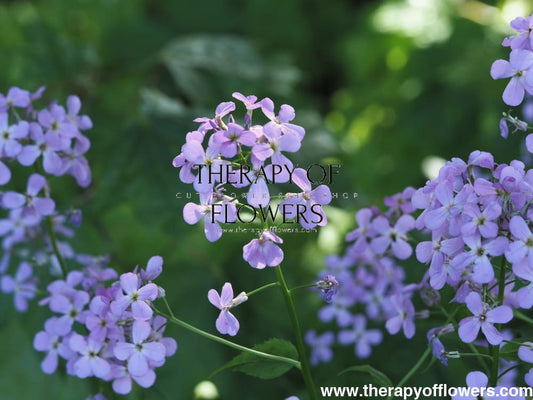
Tarhaillakko Formula Mix | Hesperis matronalis
Normaalihinta €2,00 EURNormaalihintaYksikköhinta kohti -
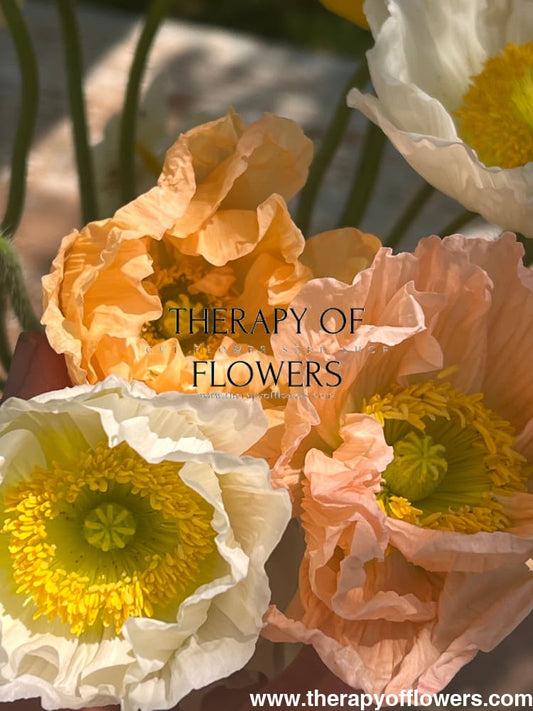
Siperianunikko Colibrì® Chiaro Pastello | Papaver nudicaule | Aprikoosin ja persikan pastellisävyt
Normaalihinta Alkaen €4,20 EURNormaalihintaYksikköhinta kohti -
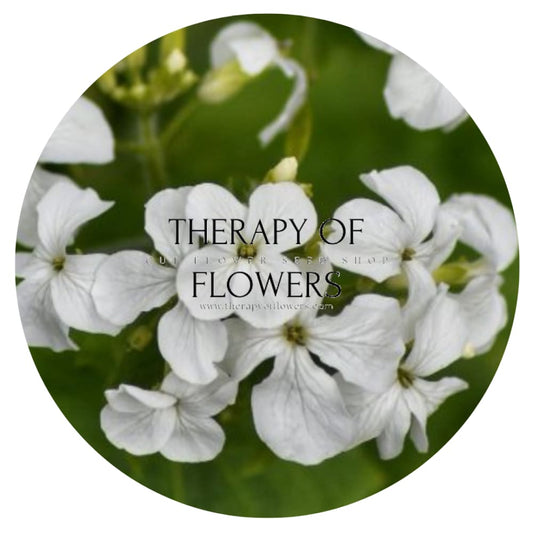
Lunaria annua Alba | White Honesty | Money Plant
Normaalihinta €2,00 EURNormaalihintaYksikköhinta kohti -
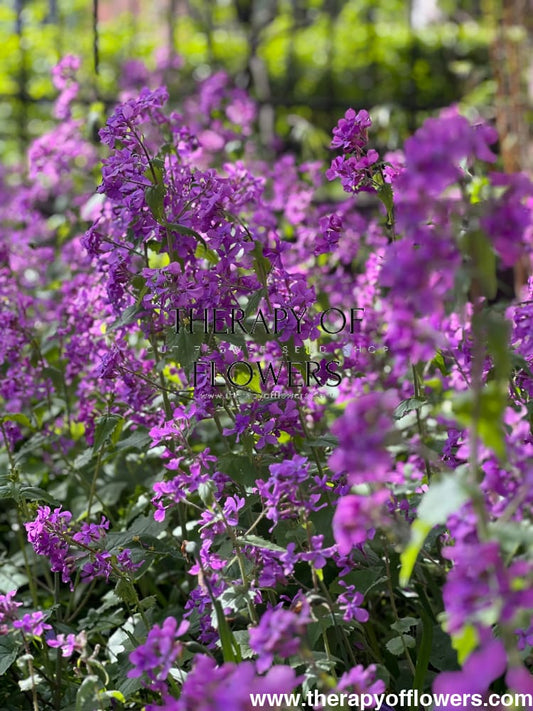
Lunaria annua Violet | Honesty | Money Plant
Normaalihinta €2,00 EURNormaalihintaYksikköhinta kohti -
Tarhaneito Miss Jekyll Light Blue
Normaalihinta Alkaen €2,50 EURNormaalihintaYksikköhinta kohti


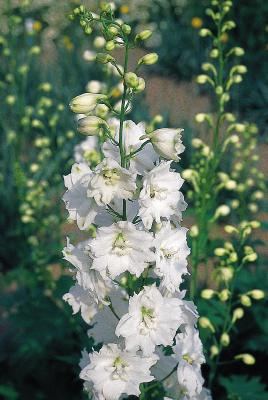

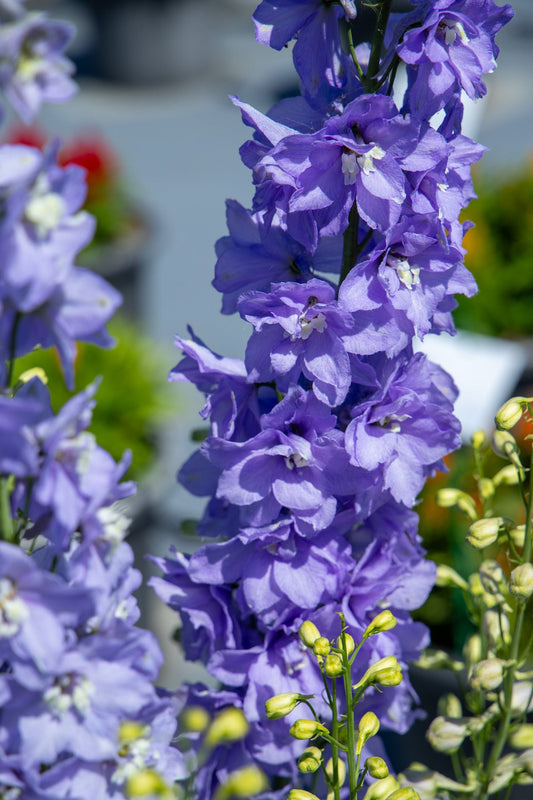

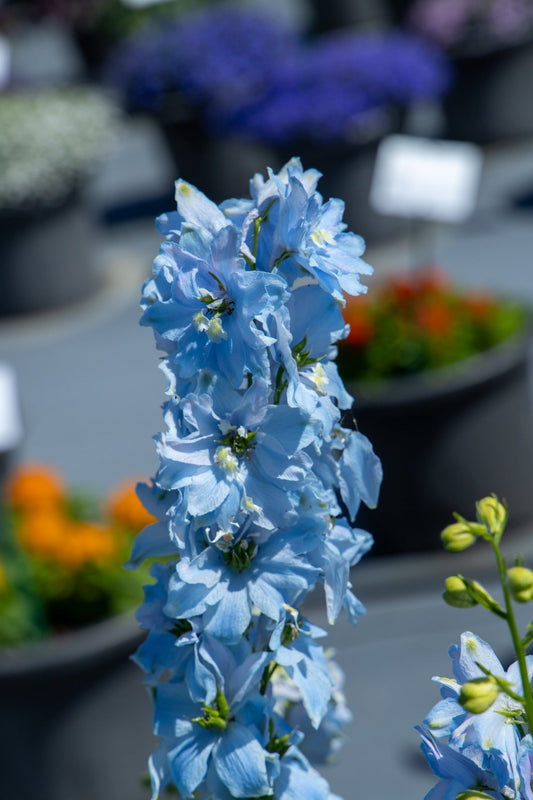








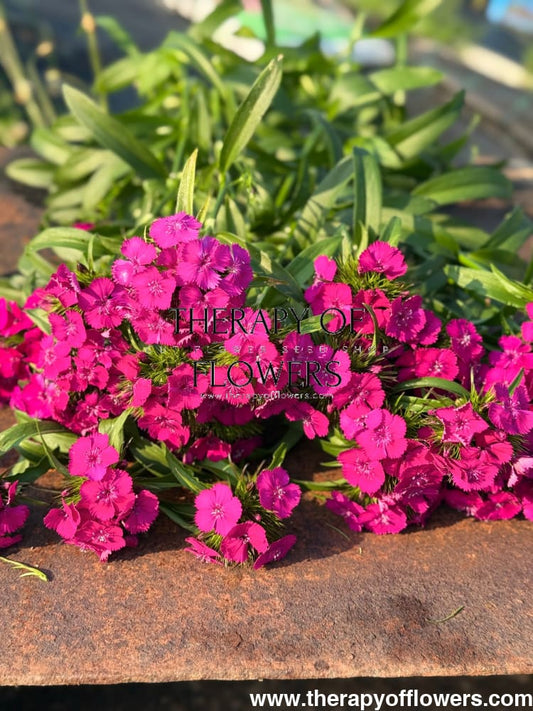

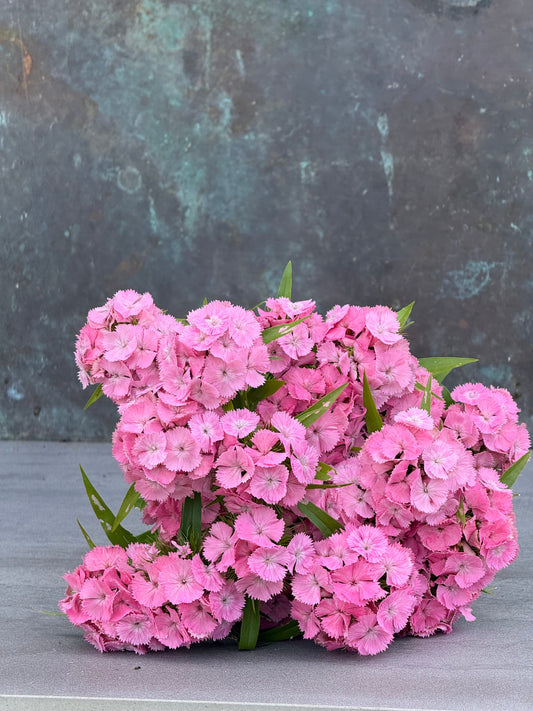


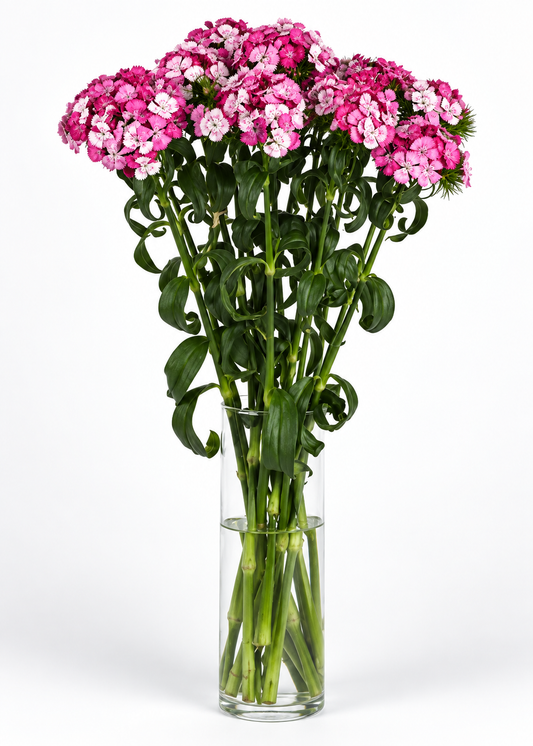


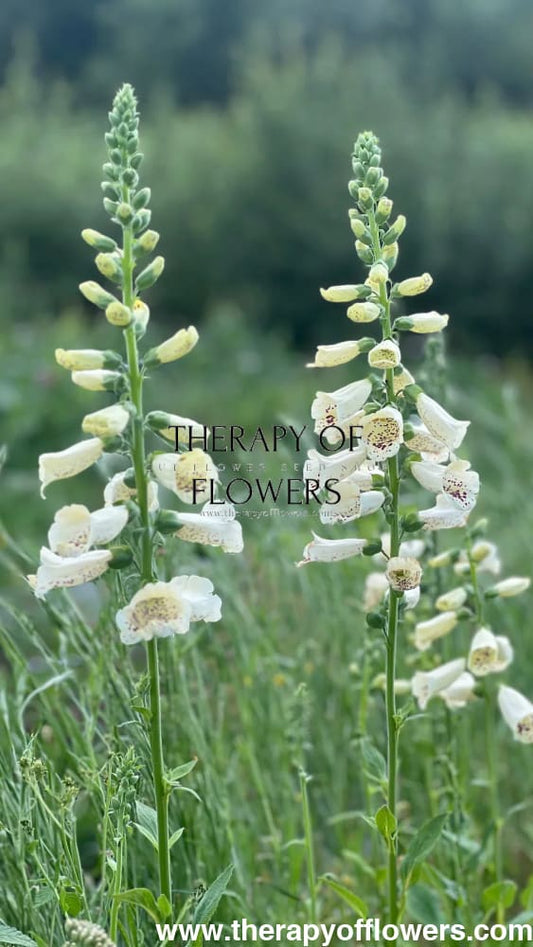















New seeds
-
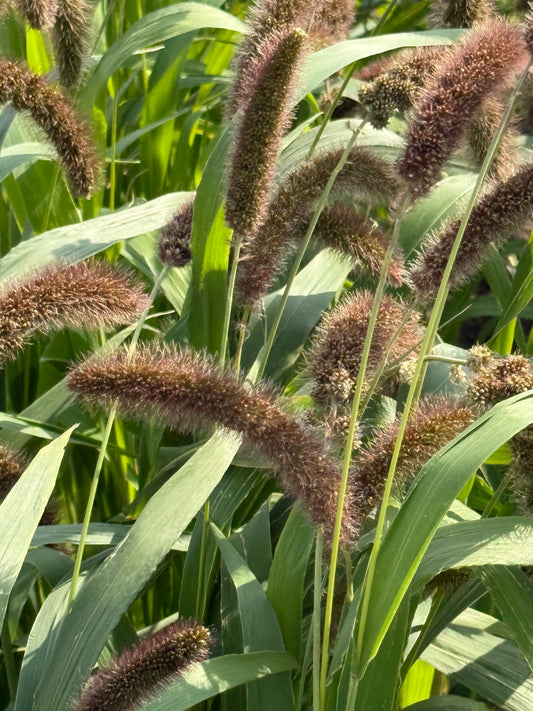
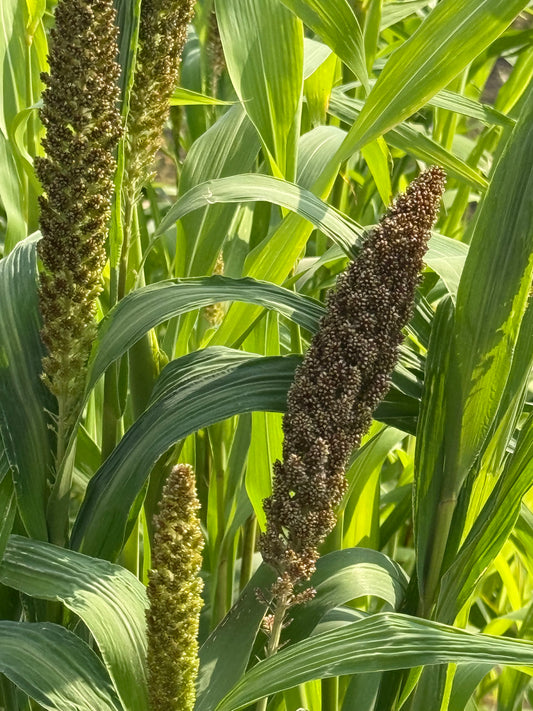
Setaria italica Lowlander | Italian Millet
Normaalihinta Alkaen €2,50 EURNormaalihintaYksikköhinta kohti -
Setaria italica Hylander | Italian Millet
Normaalihinta Alkaen €2,50 EURNormaalihintaYksikköhinta kohti -
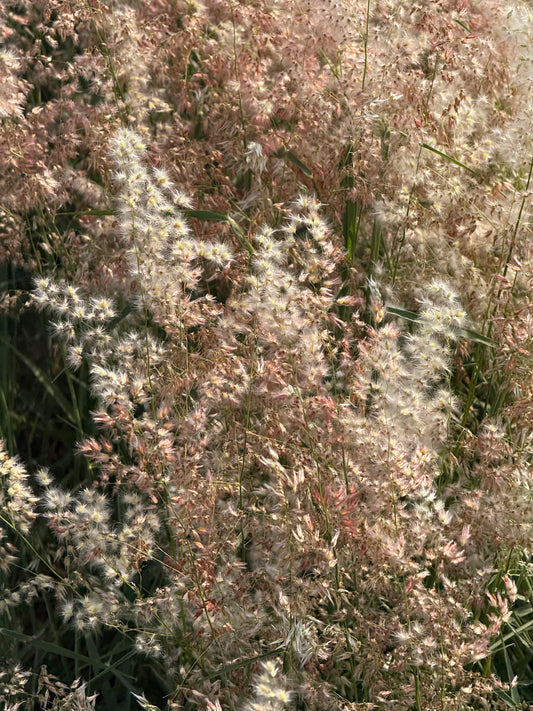
Melinis minutiflora Silver Queen | Koristeheinä
Normaalihinta Alkaen €1,80 EURNormaalihintaYksikköhinta kohti -
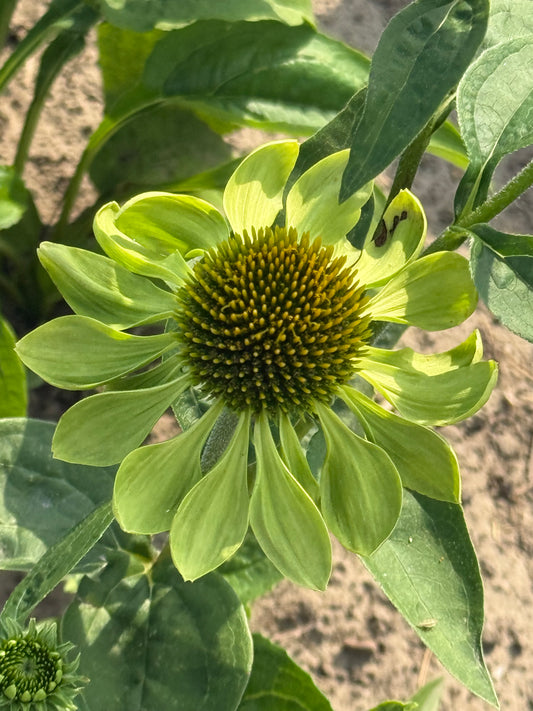
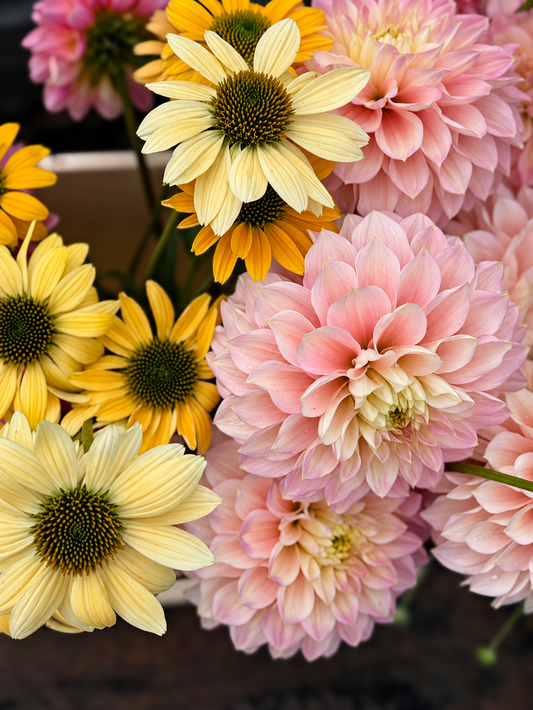
Kaunopunahattu Paradiso Super-Duper | Echinacea purpurea
Normaalihinta Alkaen €3,50 EURNormaalihintaYksikköhinta kohti -
Kaunopunahattu Alan's Pride | Echinacea purpurea
Normaalihinta Alkaen €3,50 EURNormaalihintaYksikköhinta kohti -
Kaunopunahattu Paradiso Yellow | Echinacea purpurea
Normaalihinta Alkaen €3,50 EURNormaalihintaYksikköhinta kohti






-
Leijonankita Madame Butterfly Bronze
Normaalihinta €1,50 EURNormaalihintaYksikköhinta kohti -
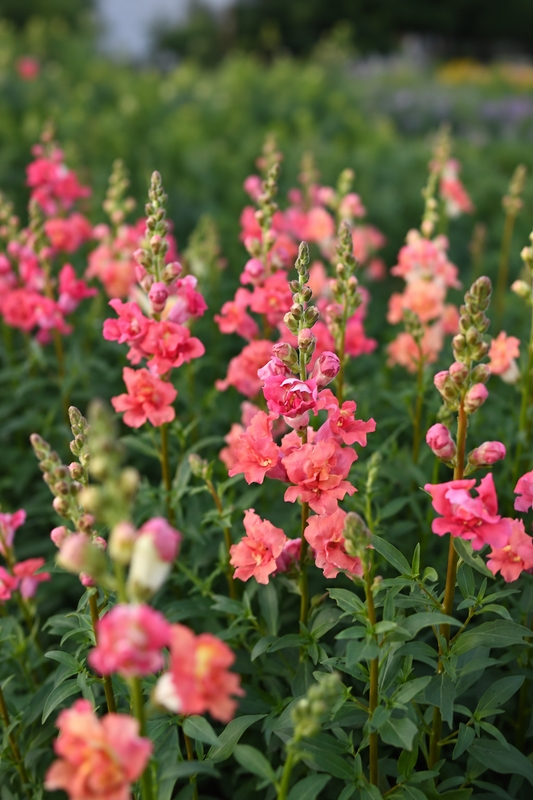
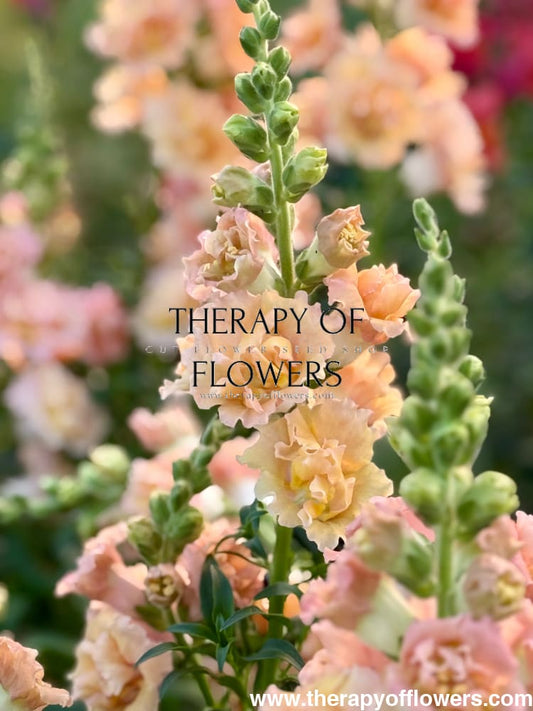
Leijonankita Snapstar Champagne F1 | Group 1,2 | Antirrhinum majus
Normaalihinta €2,20 EURNormaalihintaYksikköhinta kohti -
Isotsinnia Queeny Red Lime | Zinnia elegans
Normaalihinta €3,30 EURNormaalihintaYksikköhinta kohti -

 Loppuunmyyty
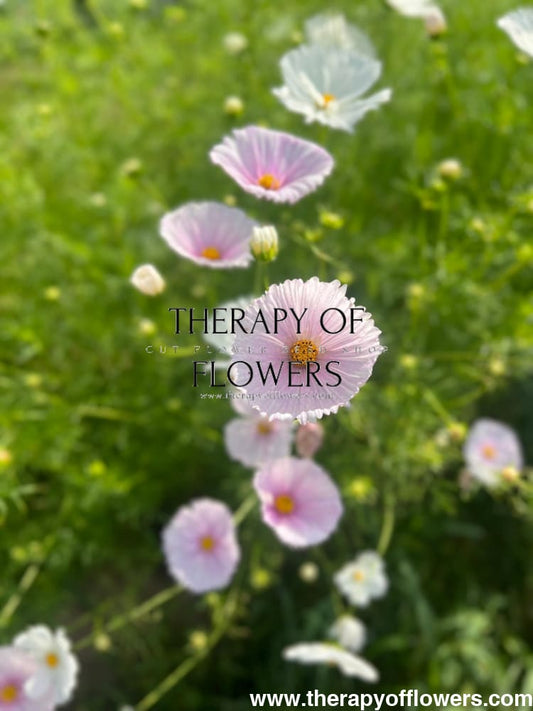
Punakosmoskukka Cupcakes Blush | Cosmos bipinnatus
Normaalihinta €2,50 EURNormaalihintaYksikköhinta kohti -
Tarhaorvokki Chianti mixed F1 | Viola x wittrockiana
Normaalihinta €4,20 EURNormaalihintaYksikköhinta kohti -
Isotsinnia Zinderella Lilac | Zinnia elegans
Normaalihinta €2,70 EURNormaalihintaYksikköhinta kohti



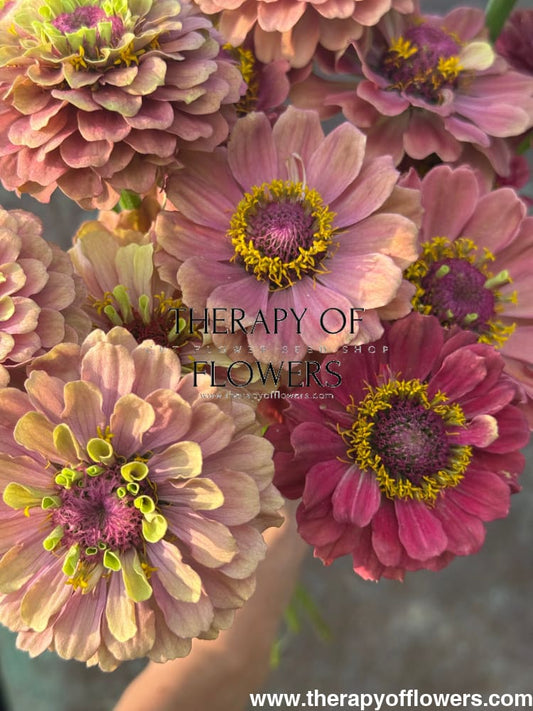


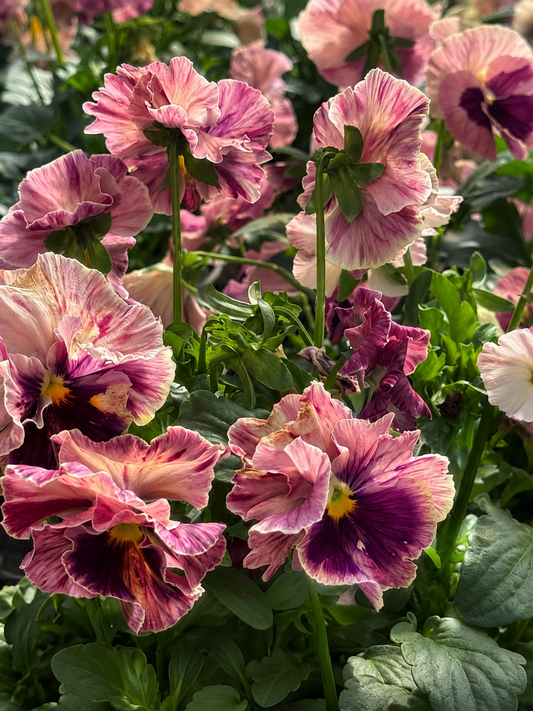

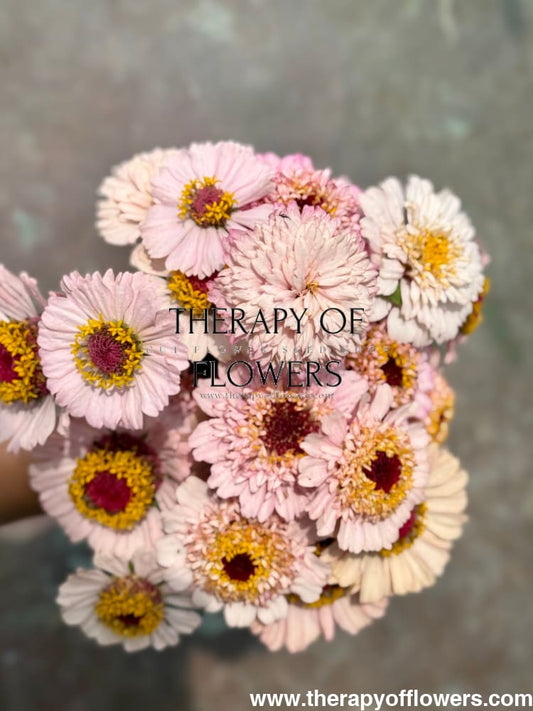
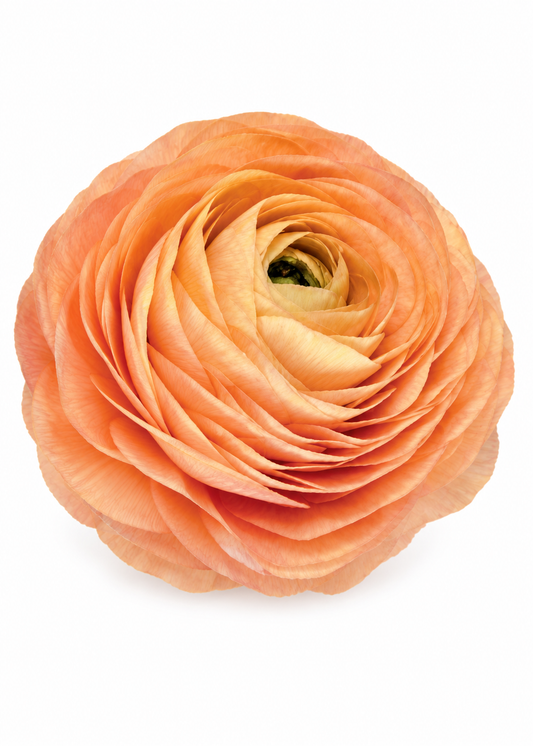
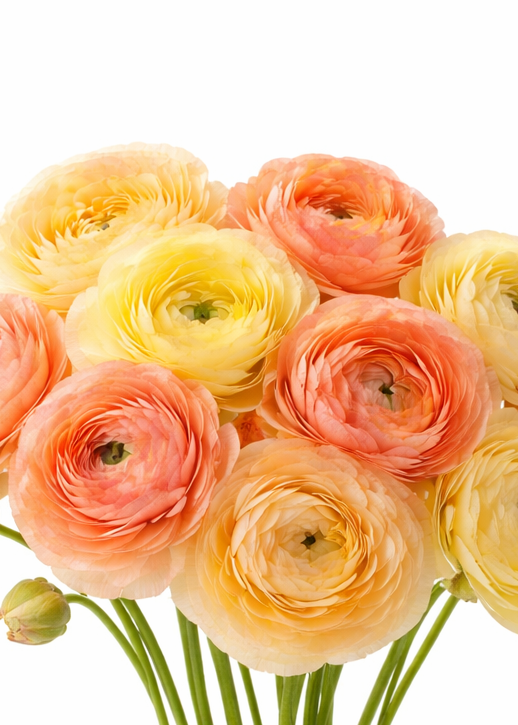
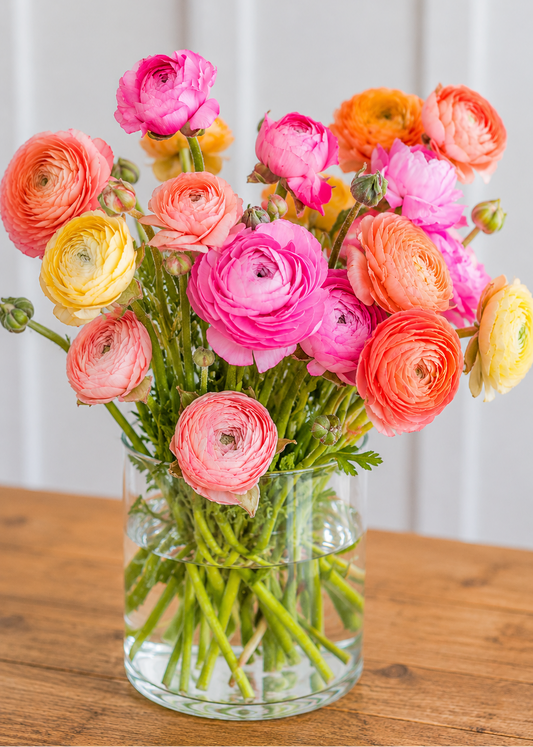
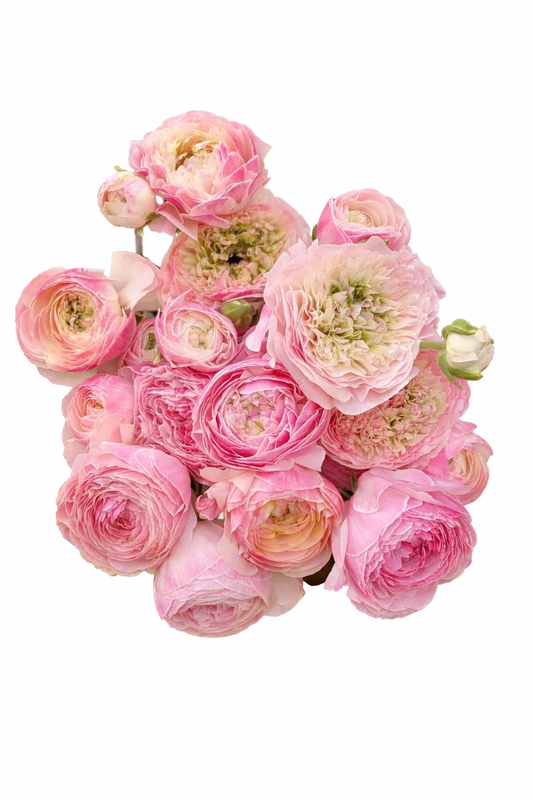
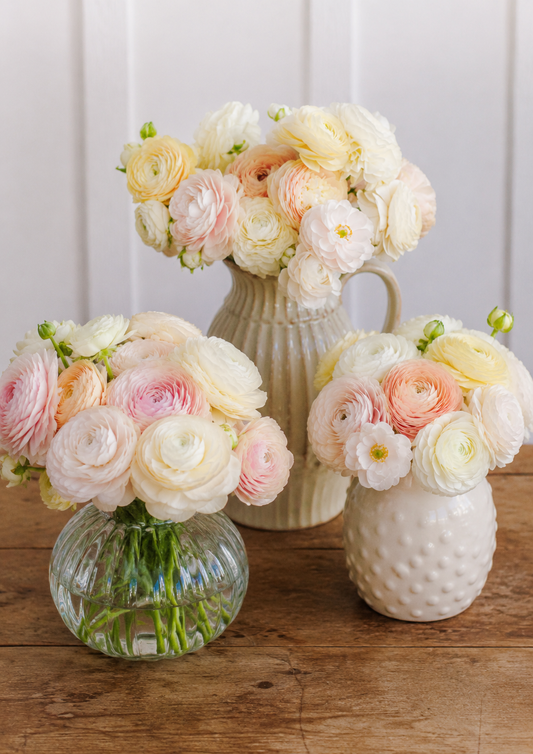
Ranunculus and Anemones – Elegant Blooms for a Stunning Garden
-
Jaloleinikki Elegance® Salmone 06 | Ranunculus asiaticus | Mukulakoko 4/5
Myyjä:therapyofflowers.comNormaalihinta Alkaen €14,85 EURNormaalihintaYksikköhinta kohti -
Jaloleinikki PAULINE Champagne | Ranunculus asiaticus | Koko 3/5
Myyjä:therapyofflowers.comNormaalihinta Alkaen €9,90 EURNormaalihintaYksikköhinta kohti -
Jaloleinikki Amandine Yellow Pastel | Ranunculus asiaticus | Koko 3/5
Myyjä:therapyofflowers.comNormaalihinta Alkaen €9,90 EURNormaalihintaYksikköhinta kohti -
Jaloleinikki Amandine Pastel Pink | Ranunculus asiaticus | Koko 3/5
Myyjä:therapyofflowers.comNormaalihinta Alkaen €9,90 EURNormaalihintaYksikköhinta kohti -
Jaloleinikki Amandine Porcelain | Ranunculus asiaticus | Koko 3/5
Myyjä:therapyofflowers.comNormaalihinta Alkaen €9,90 EURNormaalihintaYksikköhinta kohti -
Jaloleinikki Amandine Wedding Pastels | Ranunculus asiaticus
Myyjä:therapyofflowers.comNormaalihinta Alkaen €9,90 EURNormaalihintaYksikköhinta kohti






Blog posts
Näytä kaikki-

Kurpitsojen sadonkorjuu ja säilytys
Säilytä kurpitsasatosi pidempään käytännöllisten sadonkorjuu- ja säilytysvinkkien avulla. Lue, miten puhdistat kurpitsat, kovetat niiden kuoren ja valitset sopivan säilytyspaikan. Tutustu myös seuraavan kauden kurpitsansiemeniin.
Kurpitsojen sadonkorjuu ja säilytys
Säilytä kurpitsasatosi pidempään käytännöllisten sadonkorjuu- ja säilytysvinkkien avulla. Lue, miten puhdistat kurpitsat, kovetat niiden kuoren ja valitset sopivan säilytyspaikan. Tutustu myös seuraavan kauden kurpitsansiemeniin.
-

Sweet Pea Seeds: Ruffled, Large-Flowered and Pe...
Are ruffled, large-flowered sweet peas a separate species? Learn what Lathyrus odoratus means, how Spring Sunshine sweet peas fit in, and how annual sweet peas differ from perennial peas.
Sweet Pea Seeds: Ruffled, Large-Flowered and Pe...
Are ruffled, large-flowered sweet peas a separate species? Learn what Lathyrus odoratus means, how Spring Sunshine sweet peas fit in, and how annual sweet peas differ from perennial peas.
-

Grow Something Extraordinary with Therapy of Fl...
Discover premium flower seeds, herb seeds, vegetable seeds, specialty pumpkins, tulip bulbs, ranunculus and anemones. Find inspiration for creating a beautiful, productive garden with carefully selected varieties from Therapy of...
Grow Something Extraordinary with Therapy of Fl...
Discover premium flower seeds, herb seeds, vegetable seeds, specialty pumpkins, tulip bulbs, ranunculus and anemones. Find inspiration for creating a beautiful, productive garden with carefully selected varieties from Therapy of...
-

How to Label Sown Seeds and Plants in the Garden
Learn how to label seeds and garden plants correctly, why cardboard seed trays and wooden labels can develop mould, and which durable, reusable alternatives make seed starting easier.
How to Label Sown Seeds and Plants in the Garden
Learn how to label seeds and garden plants correctly, why cardboard seed trays and wooden labels can develop mould, and which durable, reusable alternatives make seed starting easier.


